Last updated November 2026
Blue Collars handles residential plumbing repairs, drain cleaning and jetting, whole-house repipes and emergency plumbing 24 hours a day, Monday through Friday, across Columbia and the Midlands, from our Cayce shop at 650 Frink St. You get the price on the phone before any work begins, and nothing is opened up until you approve it. Speak with a live technician at (803) 233-7606, any hour Monday through Friday.
Book Online
Open Monday to Friday, 9 AM to 5 PM. Enter your ZIP code to see open times.
Enter a 5-digit ZIP code.
Call Now for an Emergency
Online booking did not load. Call (803) 233-7606 or use the request form at the bottom of the page.
A burst supply line, a sewer backing up into a tub, or a water heater emptying itself into a hallway does not wait for business hours. Blue Collars answers residential plumbing emergencies in Columbia 24 hours a day, Monday through Friday.
You will know the cost on the phone, not at the door. Emergency plumbing is where surprise pricing usually shows up. We tell you what the visit costs, including any after-hours labor, before a technician is dispatched.
Our Columbia line, (803) 233-7606, is answered 24 hours a day, Monday through Friday, with someone on call after business hours. We do not run service on weekends.
Have three things ready when you call: what the water is doing, where it is going, and whether you have closed the main shutoff. That is enough for us to tell you whether this needs a technician tonight or can wait for business hours, and what the visit will cost before anyone is dispatched.
How to handle a burst pipe
These are recent reviews from the Google Business Profile for our Columbia location at 650 Frink St, Cayce, shown as written. The newest reviews load here on their own as customers post them.
Blue Collars provided excellent service! Our bathroom sink had been leaking underneath the cabinet, and we couldn’t figure out why. Erick came out, found that the drain assembly and connections needed attention, and got everything taken care of. He was very professional, easy to talk to, and made sure we understood what was being repaired. He even tested everything multiple times before leaving. You can tell he takes his work seriously. I highly recommend Blue Collars, especially Erick, for dependable plumbing service!
Blue Collars really came through for us! Our kitchen sink had been draining slowly for weeks, and eventually it stopped draining altogether. Erick came out, figured out what was causing the blockage, and got everything flowing again. He was super friendly, professional, and took the time to make sure the problem was completely resolved. He even gave us a few tips to help avoid another clog. Great customer service and quality work. If you need a plumber, definitely ask for Erick!
I had a wonderful encounter with Blue Collars! The water pressure in our shower had dropped significantly, and we were hardly getting any hot water. Erick arrived and identified the problem with our shower valve. He provided a thorough explanation, resolved the issue, and ensured that the water pressure and temperature returned to normal. He was courteous, kind, and really knowledgeable. He clearly takes pride in what he does. If you're searching for a trustworthy plumber, I heartily recommend Blue Collars, especially Erick!
We had an issue with our outdoor faucet leaking constantly, and our water bill was getting higher every month. We called Blue Collars, and Erick came out to take a look. He figured out what was wrong, replaced the faulty hose bib, and made sure there were no leaks before finishing up. He was friendly, professional, and explained everything without making it complicated. The whole experience was smooth, and we really appreciated how much care he put into his work. Would definitely recommend Blue Collars and Erick for any plumbing needs!
Blue Collars did an amazing job! We had a toilet that kept running and was starting to leak around the base. Erick came out and took care of everything. He was very professional, explained what was causing the problem, and made sure the toilet was working perfectly before he left. What impressed me most was how thorough he was and how he didn’t try to push any unnecessary repairs. It’s refreshing to deal with someone who actually cares about their customers. If you need plumbing work done, I highly recommend asking for Erick at Blue Collars!
We had a pipe burst behind our washing machine and water was starting to spread across the laundry room floor. Blue Collars sent Erick out, and he did an awesome job! He quickly found the damaged pipe, replaced the section that was leaking, and checked everything to make sure the repair was solid. He was very respectful of our home, explained what he was doing, and didn’t leave a mess behind. It’s nice having a plumber who is knowledgeable and takes his time to make sure the job is done right. Highly recommend Erick and Blue Collars!
Blue Collars provided excellent service! We noticed water pooling in our yard and couldn’t figure out where it was coming from. Erick came out, located a leak in our underground water line, and explained exactly what needed to be repaired. He was professional, knowledgeable, and very thorough with his work. After fixing the damaged section, he tested the line to make sure there were no additional leaks. What really stood out was his attention to detail and how well he communicated throughout the entire process. I would absolutely recommend Erick and Blue Collars to anyone looking for a reliable plumber!
Blue Collars was great from start to finish! We had a pretty bad clog in our main sewer line that caused water to back up into the bathtub whenever we flushed the toilet. Erick came out and got straight to work. He was able to locate the blockage, clear the line, and get everything draining normally again. He was very professional, patient, and took the time to explain what caused the issue and how to prevent it from happening again. You can tell Erick knows his trade and genuinely cares about doing quality work. I would definitely recommend Blue Collars to anyone needing plumbing services!
Angel had great fast service, and my sink was running smoothly in no time.
Thought I needed a new water heater. Angel diagnosed it in 5 minutes, fixed the part, and saved me hundreds. Honest and efficient.
Angel serviced my toilet over the weekend and did a fantastic job. He was very professional and worked fast. Would recommend blue collars
Angel did a fantastic job when servicing my shower valve over the weekend. He was very professional and polite. Highly recommended using Blue Collars and asking for Angel!
Had Alex come out to take a look at the water heater at my property, and he was able to get it back up and running quickly. He discovered a gas leak, repaired it, and made sure everything was working safely. Now we have hot water again, and my family and I have peace of mind knowing the gas leak has been taken care of. Great service and highly recommend!
Angel was fantastic ! He did a faucet fix for us; he was quick and efficient. Works perfectly !! He also checked to see if we had any more leaks/issues that he could fix. He’s the best !!
I had a great experience with Blue Collars Plumbing! Erick was professional, knowledgeable, and very thorough with his work. He took the time to explain everything, answered all my questions, and made sure the job was done right. His attention to detail and customer service really stood out. It’s hard to find someone who takes pride in their work like Erick does. I highly recommend asking for Erick if you need any plumbing services. Blue Collars is lucky to have him!
In the first ten minutes of a plumbing emergency, the most useful things you can do are make the house safe and stop the water at its source. Leave if you smell gas, keep away from water that is reaching outlets or the electrical panel, close the main shutoff, turn off the water heater if it is the problem, and stop running fixtures if sewage is coming up. Then call us.
Freezing nights are part of the Midlands winter. The National Weather Service office in Columbia puts the average first freeze for Columbia on November 3 and has recorded one as early as October 4, and its spring freeze notice puts the average last freeze on March 16. On those nights the pipes in crawlspaces, exterior walls and unheated garages are the most exposed.
Call your gas utility's emergency number from outside, away from the house, and do not switch lights or appliances on or off on the way out, the same advice as South Carolina Public Radio's gas leak guide. Then call us about the water heater.
If water is reaching outlets, a power strip or the electrical panel, do not walk through it to reach anything. Shut the power off at the panel only if you can reach it from a dry spot. Otherwise call your power company first.
In many Midlands homes the main valve sits where the supply line enters the house: in a crawlspace, a garage or a utility closet near the water heater. If you cannot find it, the meter box near the street usually has a valve as well. It can be stiff, and it may need a meter key.
With the main closed, open the lowest faucet in the house, such as a first-floor tub or an outdoor spigot, so the water still in the pipes runs out there instead of through the break.
Close the cold water valve on the pipe that feeds the top of the tank, as our leaking water heater guide shows. On an electric heater, switch off its breaker, because an element that keeps firing in a tank that is draining can burn out. On a gas heater, turn the gas control to off or pilot.
Every drain in the house runs to the same main line. If a floor drain or a lower tub is backing up, a washer, dishwasher or shower running upstairs pushes more water into a line that is already blocked.
Then call (803) 233-7606 and tell us what you have already shut off.
Answer three questions about what the plumbing is doing and you will get an honest read. Most calls can wait. The ones that cannot get worse by the hour, and the repair bill grows with them.

How much water is moving?
Where is it going?
Is anything else wrong?
Pick one answer in each row.
Nothing here is spreading. Call during business hours and you will not pay an after-hours rate for it.
This is not an overnight emergency, but it costs more the longer it runs, and a slow leak inside a wall does the most expensive damage quietly.
Water you cannot stop, sewage coming into the house, a gas smell near the heater, or water near live circuits. These get worse by the hour. We answer 24 hours a day, Monday through Friday; on a weekend, stop the water at the main and use the steps on this page until we open.
Slow drains and repeat clogs are the most common reason Columbia homeowners call us, and the right fix depends on what is in the line. Cabling, or snaking, punches a hole through a clog and restores flow. Hydro jetting is different: a high pressure water jet scours the full inside diameter of the pipe, clearing grease, scale and root hair from the pipe wall rather than boring through the middle of it.
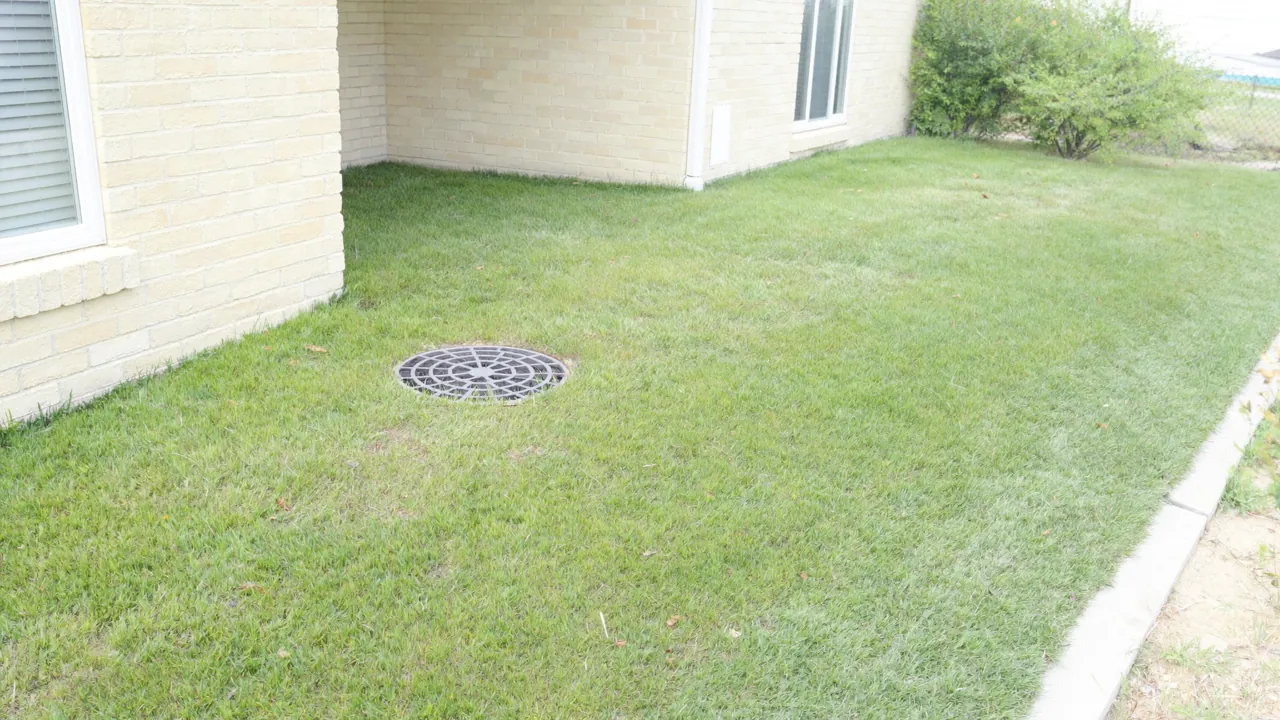
The line that serves the whole house is reached through a capped opening in the yard, not from inside the kitchen.
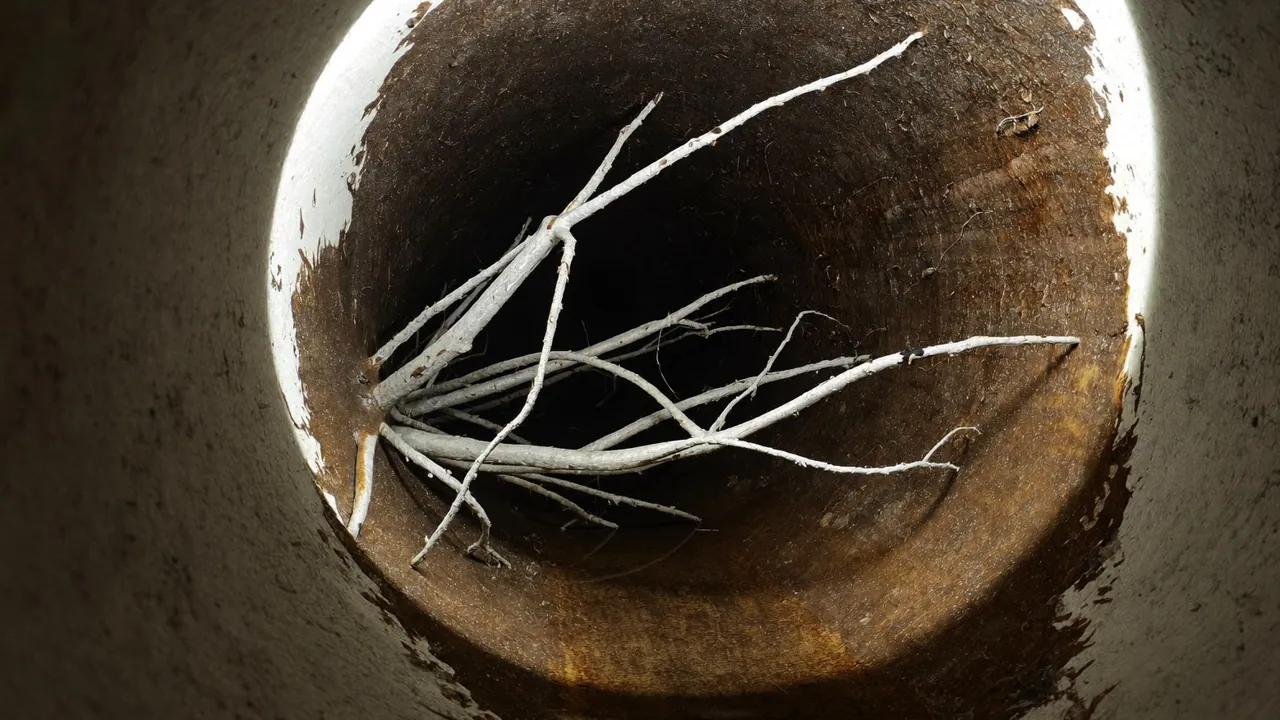
Grease and scale build on the pipe wall and narrow the bore, and in older Midlands neighborhoods tree roots find their way in through a joint.
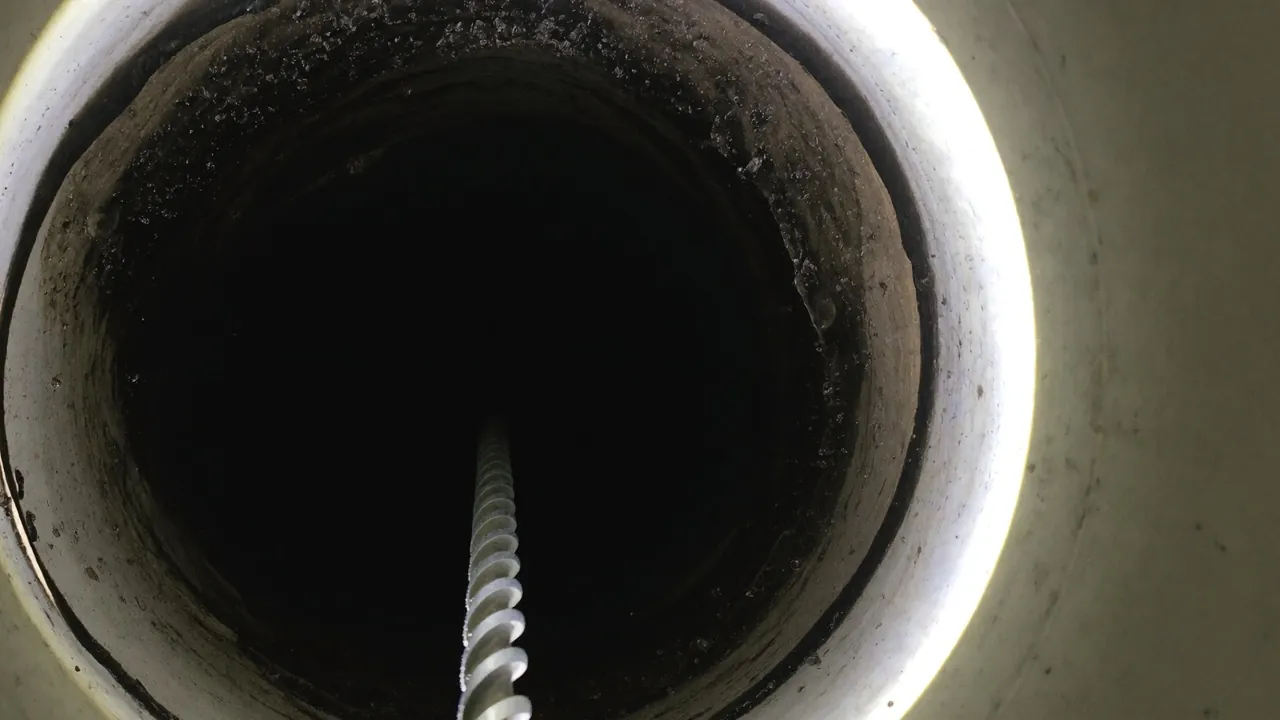
A cable bores one narrow hole straight through the blockage. Flow returns, which is why it feels fixed, and the coating is still on the wall.
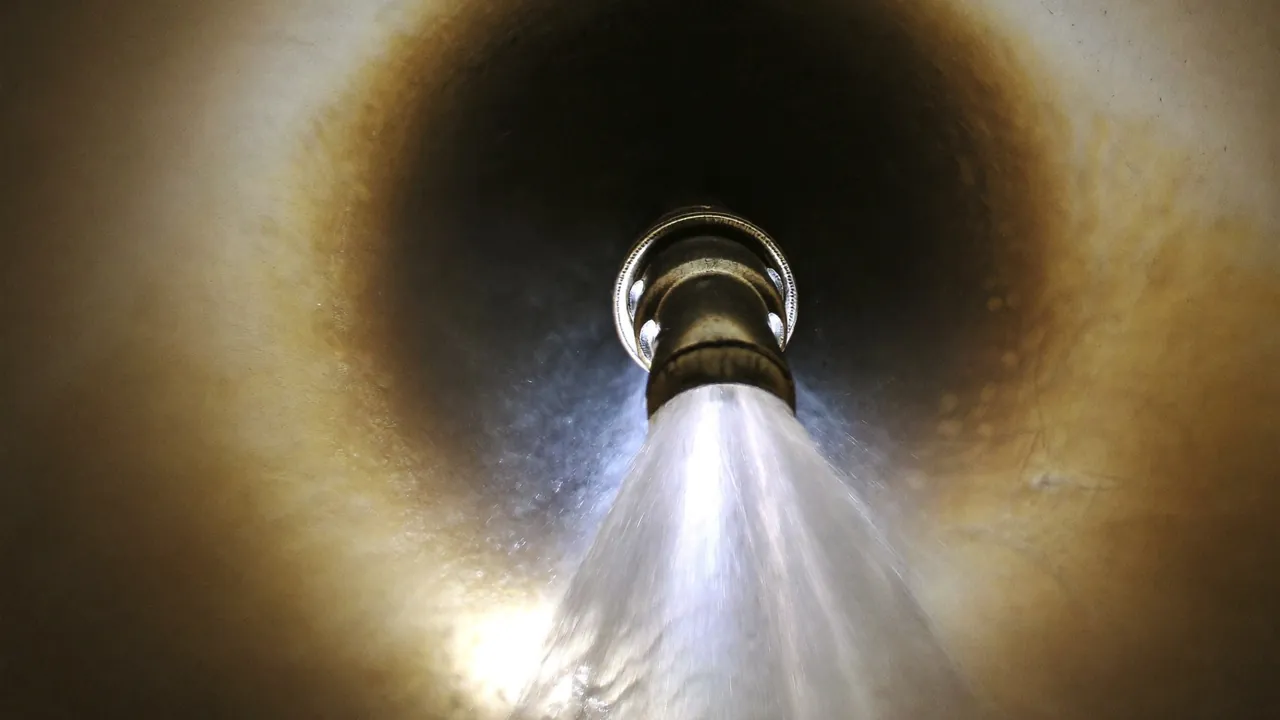
A high pressure nozzle fires backward against the wall, stripping grease and scale away to bare pipe around the full diameter.
The tell that you need jetting rather than another cable job is a drain that keeps clogging. If the same line clogs again weeks after it was snaked, the blockage was never fully removed, and a cable will keep buying you a few weeks at a time. Kitchen lines that have carried years of grease, and main lines in older Midlands neighborhoods where tree roots have found a joint, are the usual candidates.
We camera the line when the cause is not obvious. Looking before cutting is cheaper than guessing, and it tells you whether you are dealing with a grease layer, a root intrusion, a belly in the pipe, or a break that hydro jetting will not fix.
Drag the handle. On the left is a line carrying years of grease and scale on the wall. On the right is the same bore after jetting, back to bare pipe. A cable would have left most of what you see on the left exactly where it is.
Grease is the city's problem as much as yours. Columbia Water's own grease guidance puts it plainly: in your house a grease clog is a sewer backup, and in the street it is a sanitary sewer overflow. Its advice is to pour leftover grease into a jar or can, let it cool and put it in the trash, and to scrape plates into the trash before they go in the sink. A jetted kitchen line stays clear far longer once the grease stops going down it.
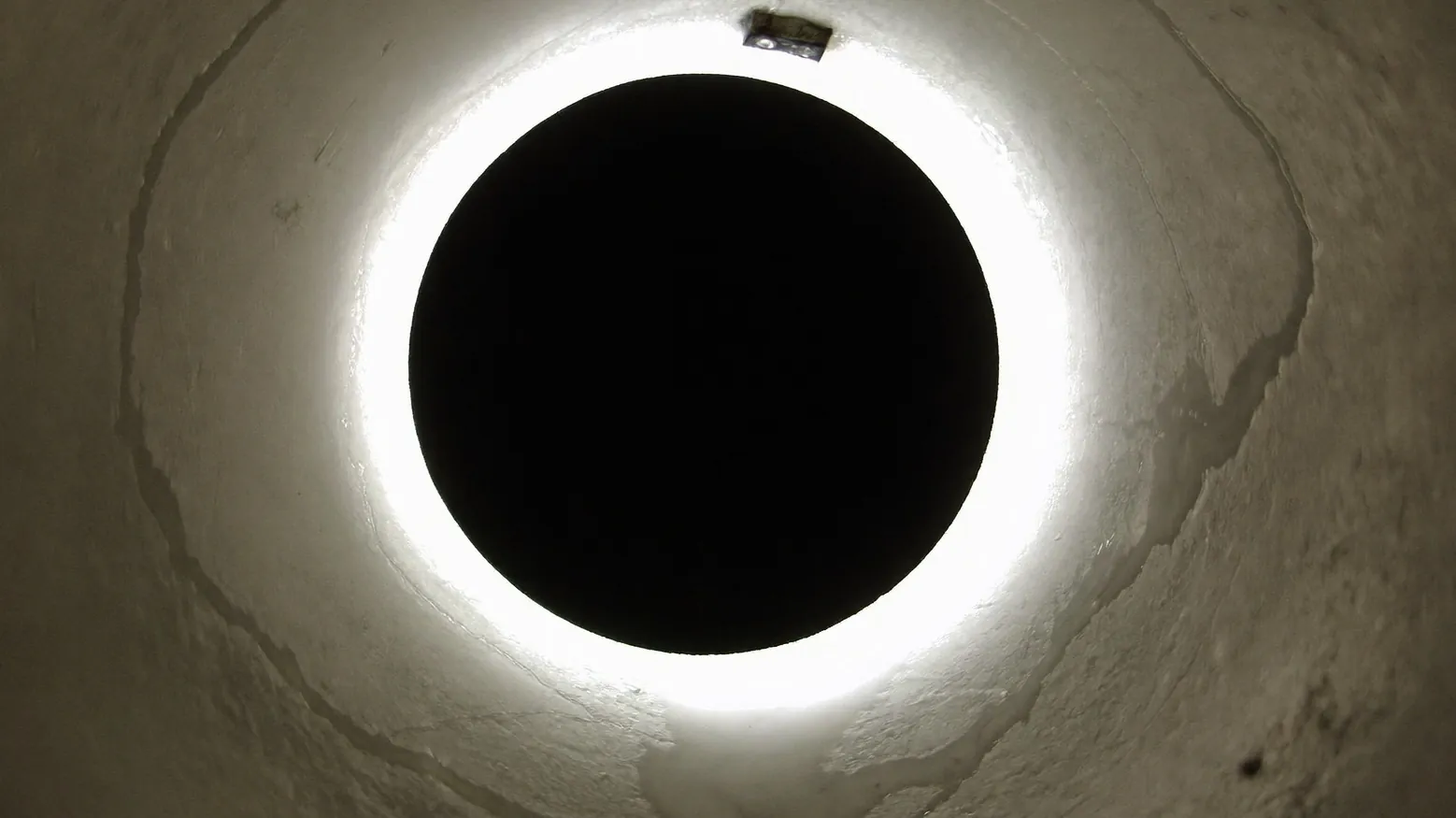
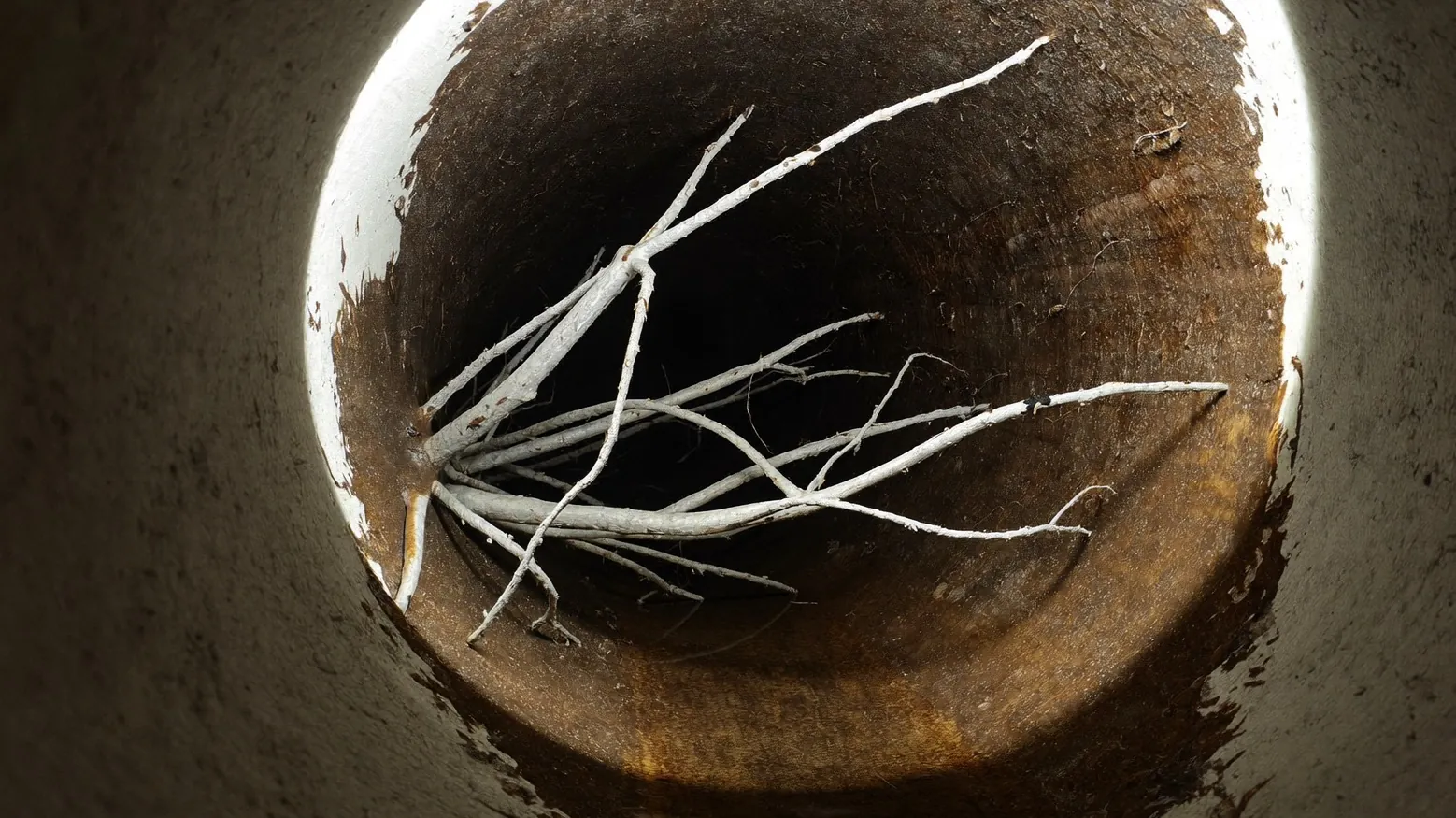
Most of what we do in Columbia homes is repair work: the fixture that leaks, the valve that will not close, the water heater that quit, the pipe that let go inside a wall.
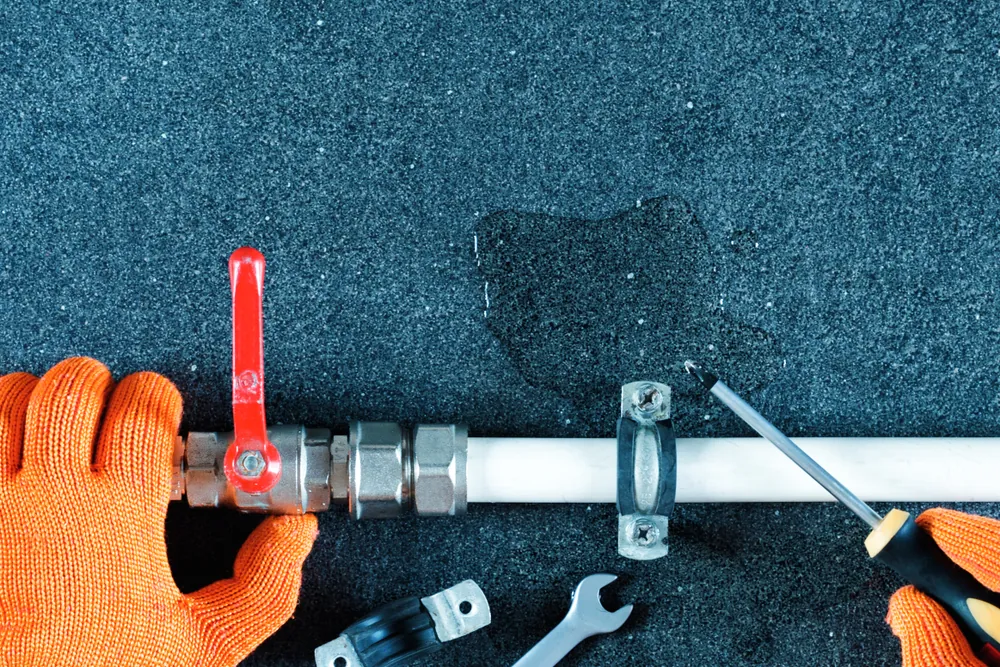
Supply lines, drain lines and hose bibbs, including the slow ones that show as a ceiling stain before they show anywhere else
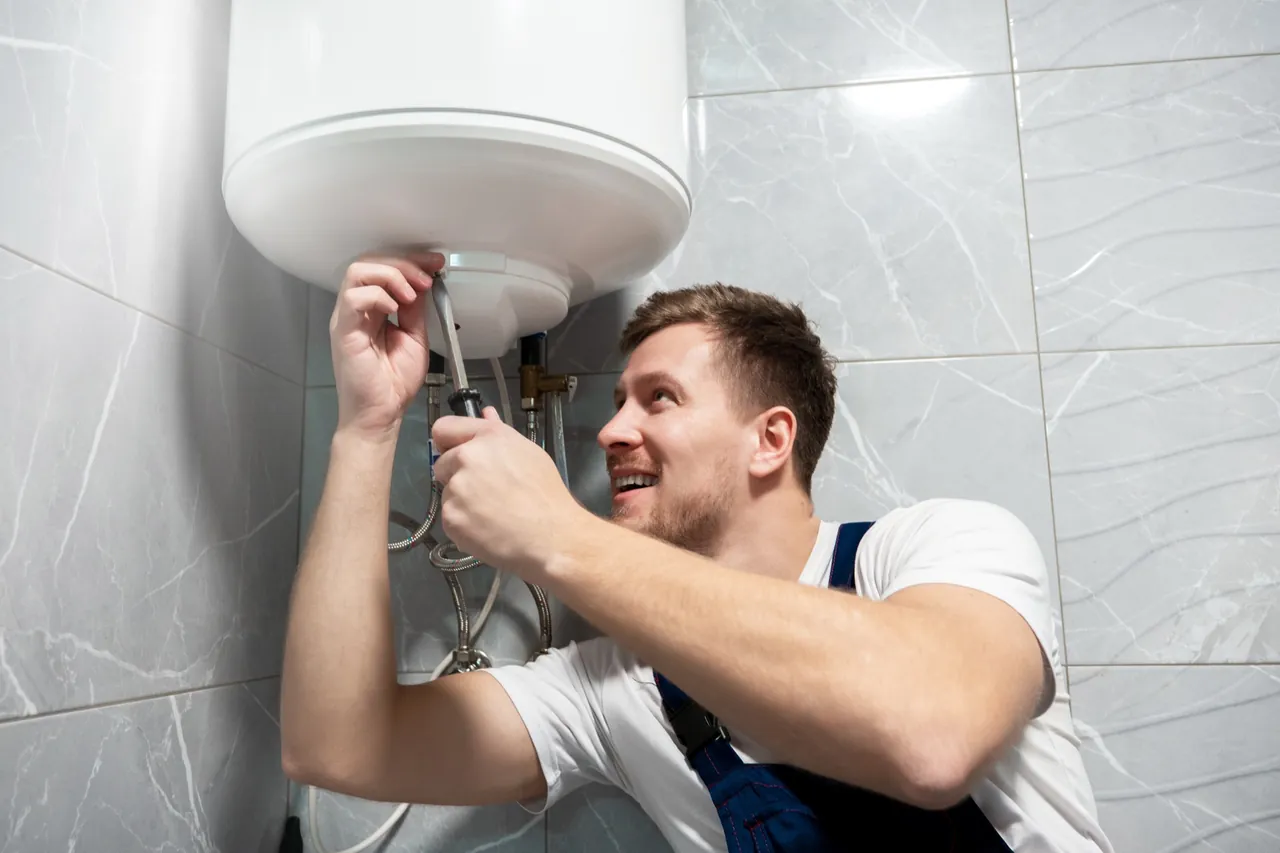
Stopped, running cool, leaking at the tank, or a failed element or thermostat
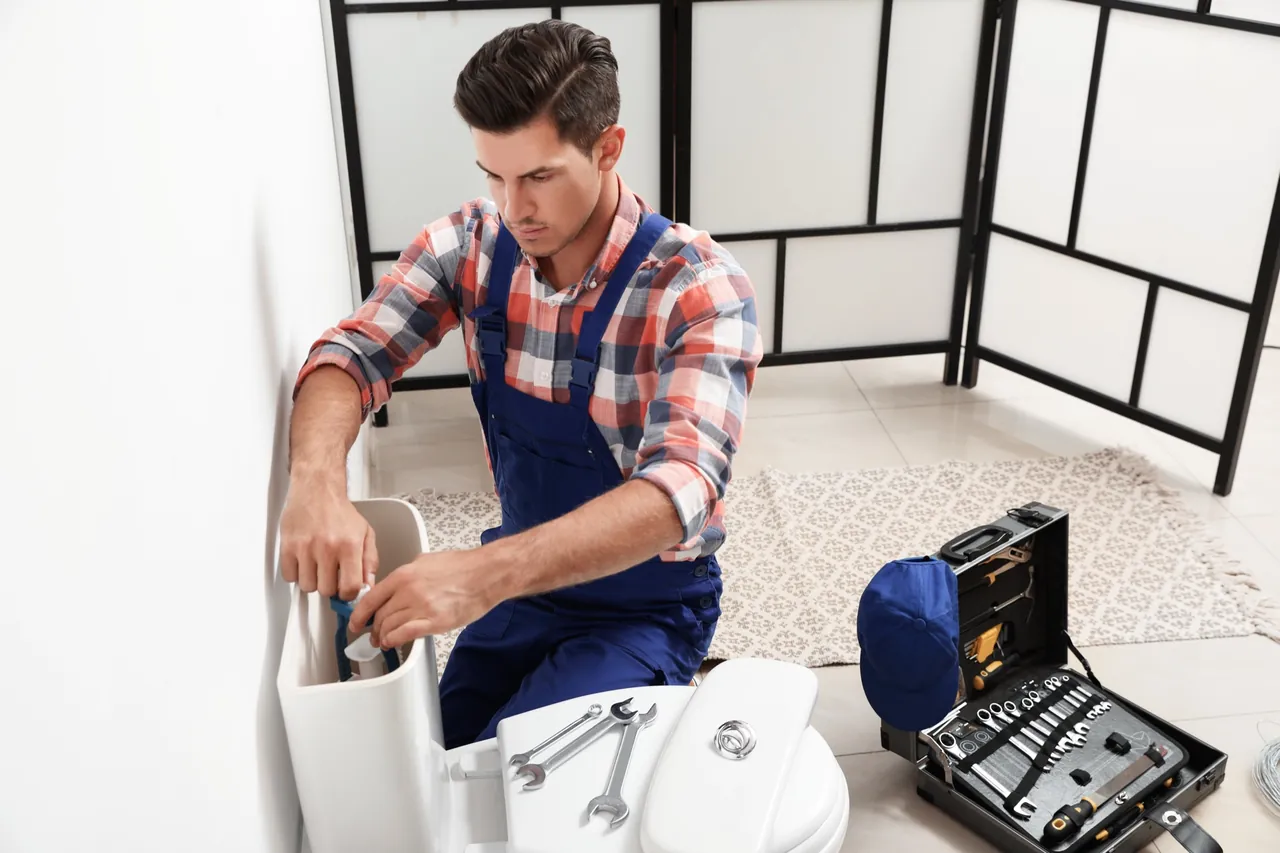
Running, rocking, backing up or leaking at the base
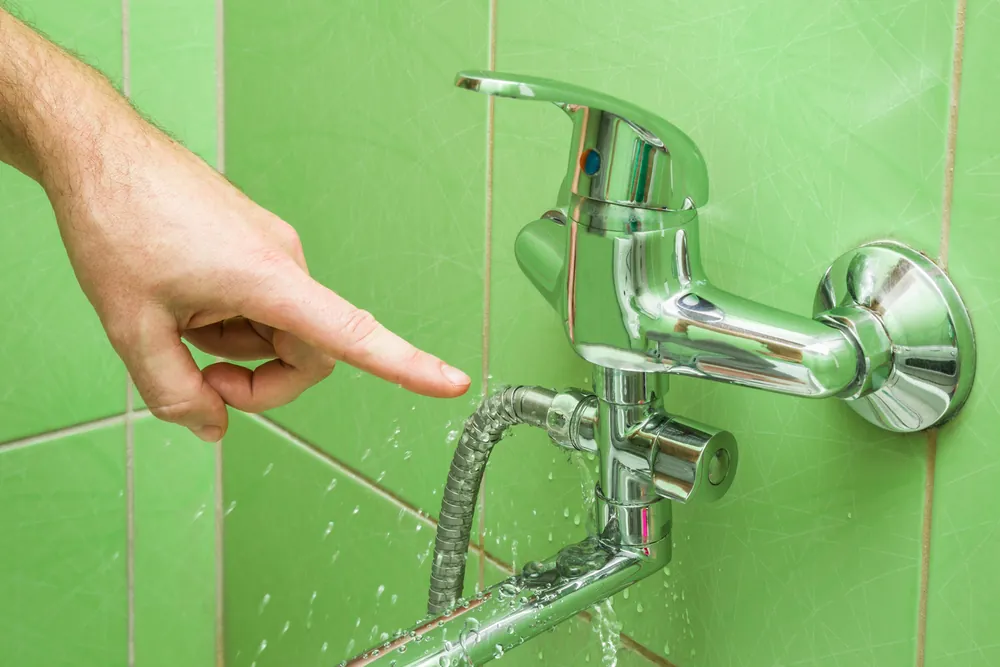
Dripping, losing pressure at one tap, or needing a cartridge or valve
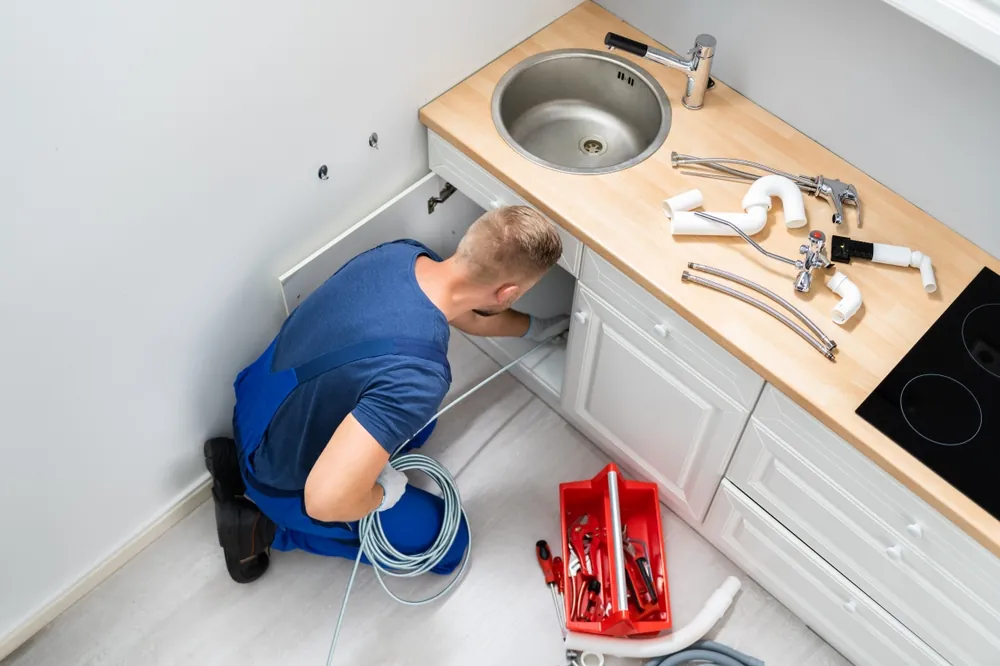
Backing up, clogging again, or failing along a section

Low across the whole house, or high enough to damage fixtures and appliances
You can confirm most hidden leaks yourself in two hours with nothing but your water meter. The EPA's WaterSense program says to check the meter before and after a two-hour period when no water is being used, and if the meter changes at all, you probably have a leak. It puts the average household's leaks at more than 9,300 gallons of water wasted every year.
Turn off every fixture, the washer, the dishwasher and the ice maker, write down the meter reading, and read it again two hours later without using any water.
Put a few drops of food coloring in the toilet tank. If color shows up in the bowl after 10 minutes without a flush, the tank is leaking into the bowl.
A brown ring on the ceiling under a bathroom, a soft spot in the floor beside a tub, or a musty smell in one closet usually means a supply or drain line has been leaking for a while.
WaterSense's rule of thumb is that a family of four using more than 12,000 gallons a month in winter could have a serious leak.
A faucet that drips once a second wastes more than 3,000 gallons a year by the same EPA count. That one is cheap to fix. The leak worth calling about the same day is the one you cannot see, because it is soaking framing and subfloor while the meter quietly turns.
A water heater that has quit, runs cool, or leaks is usually one of three things, and only one of them means a new unit.
A failed element or thermostat on an electric unit, or a failed thermocouple or gas control on a gas unit, is a repair. So is a leaking valve or fitting at the top of the tank. What is not a repair is the tank itself. Once the steel has corroded through and the tank is weeping at a seam, there is nothing to patch, and the only question left is whether you replace it on your schedule or after it empties onto the floor.
We work on tank and tankless, gas and electric. Tell us what the unit is doing and roughly how old it is when you call, and we can usually tell you on the phone which of the three you are looking at. Whatever the fix, set the thermostat to 120 degrees, the setting the Consumer Product Safety Commission urges to cut the risk of scalds.
Is a leaking water heater an emergency?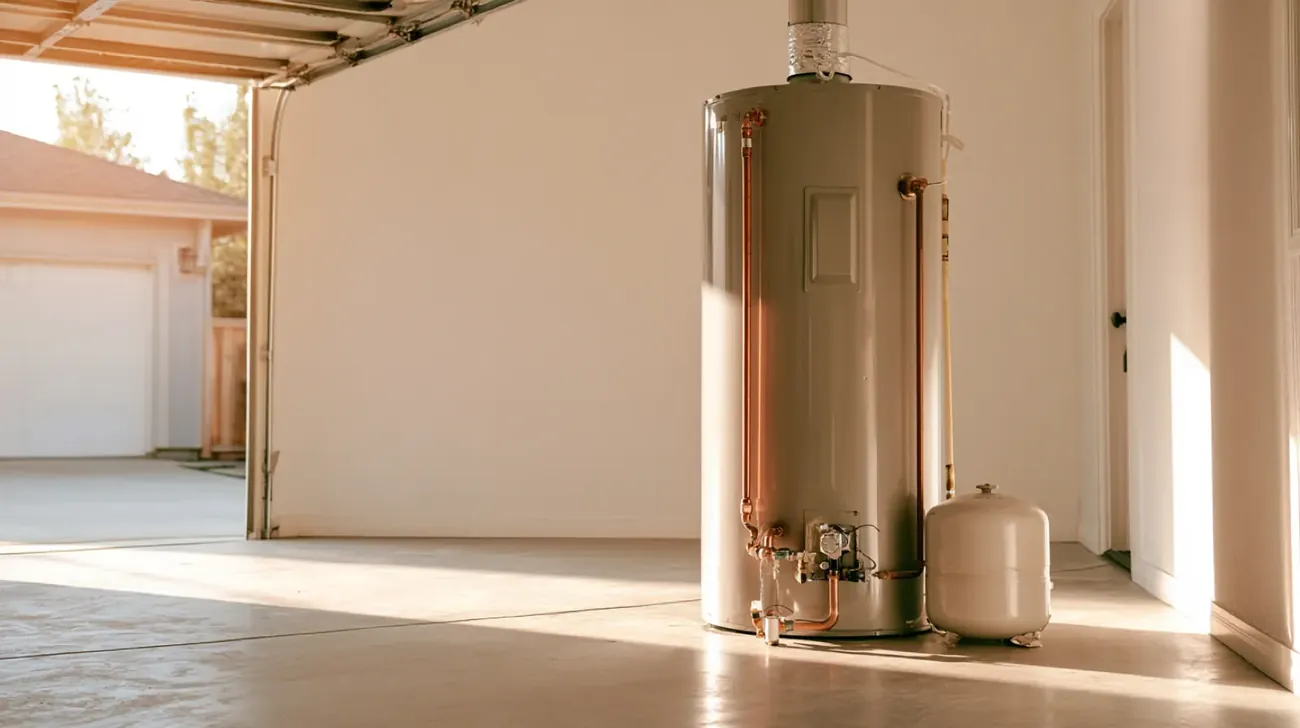
A line that backs up again weeks after it was cleared, gurgles when another fixture drains, or pushes water up through a floor drain is failing somewhere between the house and the city main.
Cabling clears the blockage. It does not tell you why the line blocked, and on a sewer line that distinction is the whole job. We camera the line before recommending a repair, because the fix depends on what is actually there: roots that have found a joint, a belly where the line has settled and holds water, a crushed section, or a clean break. Looking first is what keeps a spot repair from being sold as a full replacement.
In the city of Columbia, the line under your yard is yours. Columbia Water's sewer lateral guide says that if you own your home, you own the sewer lateral from the end of your home's internal plumbing to your property line.
Our guide to hydro jetting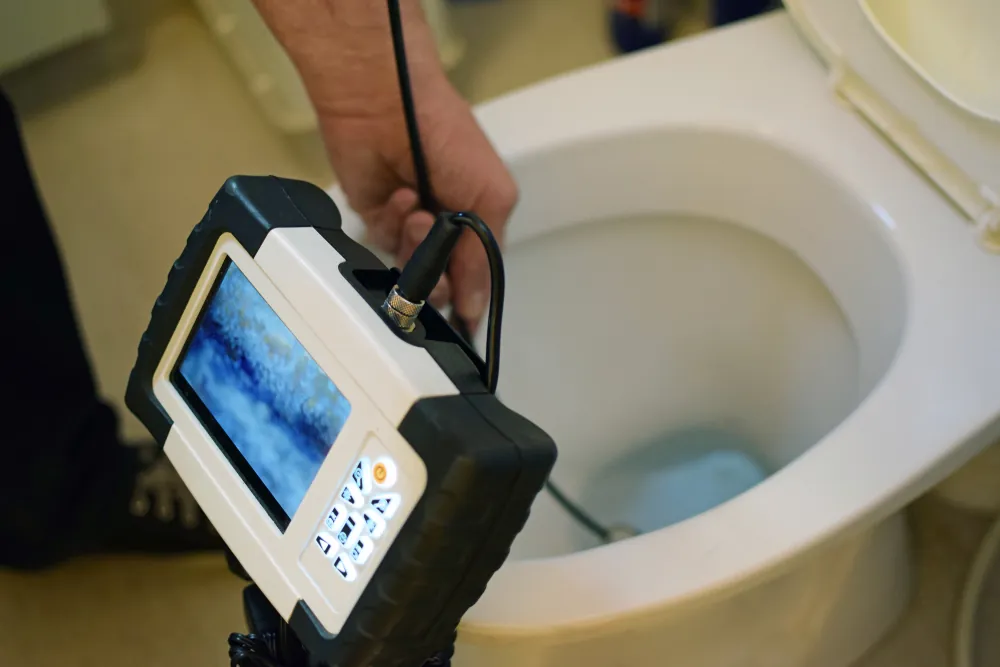
Six public documents sit behind the advice on this page: who owns which pipe, why grease keeps coming back, what has to happen before anyone digs, how to find a leak, how hot a water heater should run, and why polybutylene fails. Each is worth five minutes before you hire anyone, us included.
The utility's guide to who owns the pipe between your house and the city sewer, where the cleanout usually sits, and what its repair letters mean.
Why grease poured down a kitchen sink ends up as a backup in the house or an overflow in the street, and what to do with it instead.
How to request free utility marking before any digging, how long locators have to respond, and why private lines are not marked.
The two-hour meter test, the food coloring test for toilets, and the 9,300 gallons the average household's leaks waste every year.
Why the Consumer Product Safety Commission urges a 120 degree water heater setting: at 150 degrees, most adults suffer third-degree burns in two seconds.
When polybutylene was installed, why chlorine and other oxidants break it down, and how it gets replaced.
A repair that means digging also means the buried utilities get marked first. SC811's 2026 guide for homeowners says marking is free and that locators have three full business days to respond, not counting the day you asked, weekends or holidays. It also says utilities mark only the public lines they installed and maintain, and private lines are the homeowner's responsibility. Your own sewer lateral will not be painted on the lawn, which is one more reason to camera the line before anyone digs.
A repipe replaces the water supply piping through the house rather than patching one failure at a time. It is the largest job on this page and the one worth being most careful about recommending, so here is how to tell whether you are close to it.
Older Midlands housing stock carries two materials worth identifying: galvanized steel, which corrodes from the inside and narrows until pressure drops, and polybutylene, a gray plastic pipe used widely in homes built from the late 1970s into the 1990s. Polybutylene fails at the fittings, from the inside, as chlorinated water degrades it, which is why it can look fine right up until it does not.
Plumbing in Lexington, SC
Census counts explain why a repipe question sounds different on each side of the river. Nearly half of Lexington County's homes were built in the polybutylene era, and close to a third of the city of Columbia's were built before 1960, in the era of galvanized supply pipe and cast iron drains.
Writing for This Old House, Richard Trethewey dates polybutylene installations to between 1978 and 1995 and traces its failures to chemical reactions between chlorine and other oxidants in the water, with stress at fittings and connections adding to it. He also notes the pipe can be gray, blue or black, so color alone does not settle it. A look at an exposed run does.
61,873 of the county's 136,956 homes were built between 1970 and 1999, the span that takes in the whole polybutylene era.
19,218 of the city's 64,975 homes were built before 1960, the era of galvanized supply pipe and cast iron drains.
71,711 of the county's 193,097 homes were built between 1970 and 1999, a count that includes the city of Columbia.
The years polybutylene was installed in homes, according to This Old House, inside both of the 1970 to 1999 counts above.
None of these counts the pipe itself, and no public source does. They tell you which question to ask about your own house.
A repipe is the biggest job on this page, so here is what actually changes inside the walls.
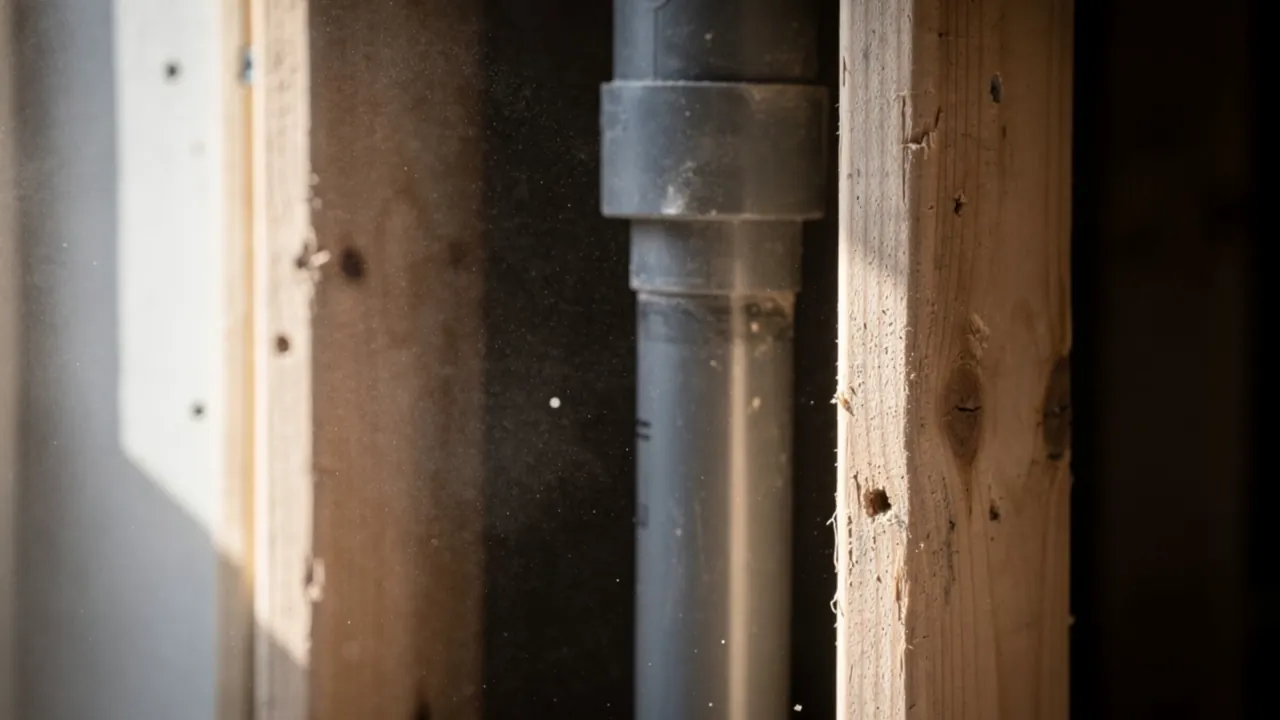
Supply piping runs through framing and under floors, out of sight, so the first sign of its age is usually a stain on a ceiling rather than water on a floor.
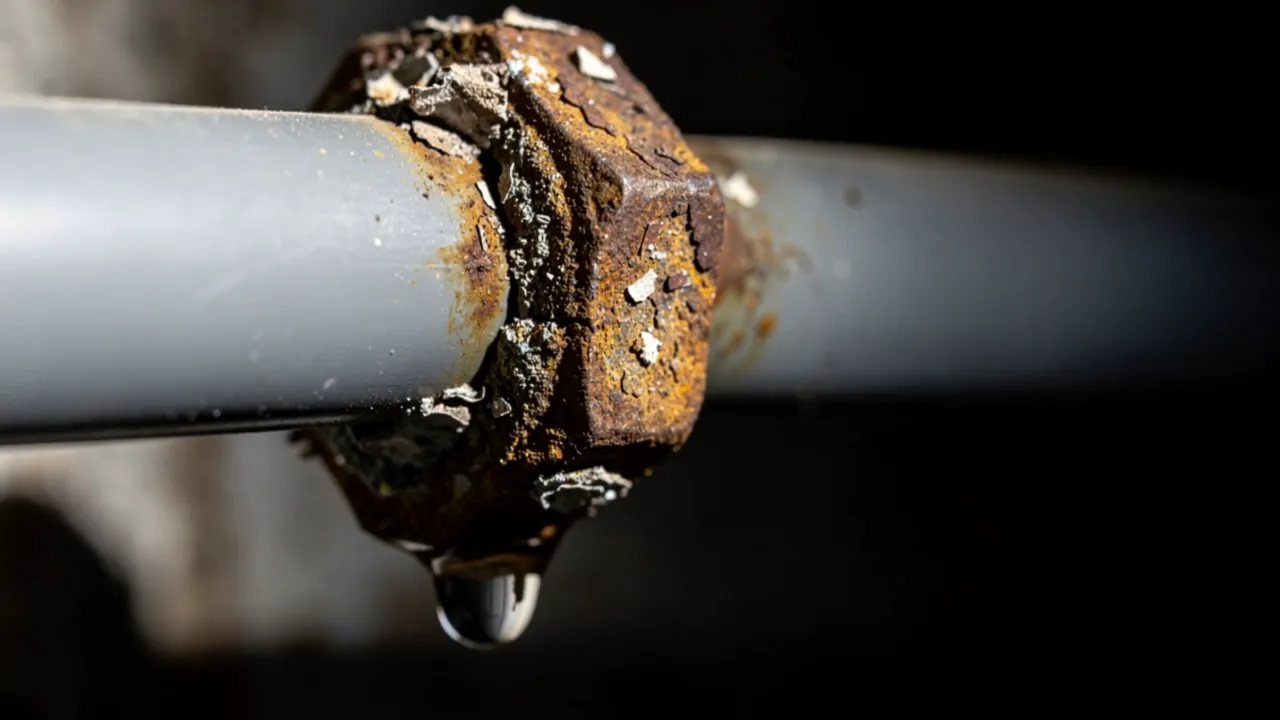
Polybutylene fails at the fittings, from the inside, as treated water degrades it, which is why a line can look sound right up until it opens.
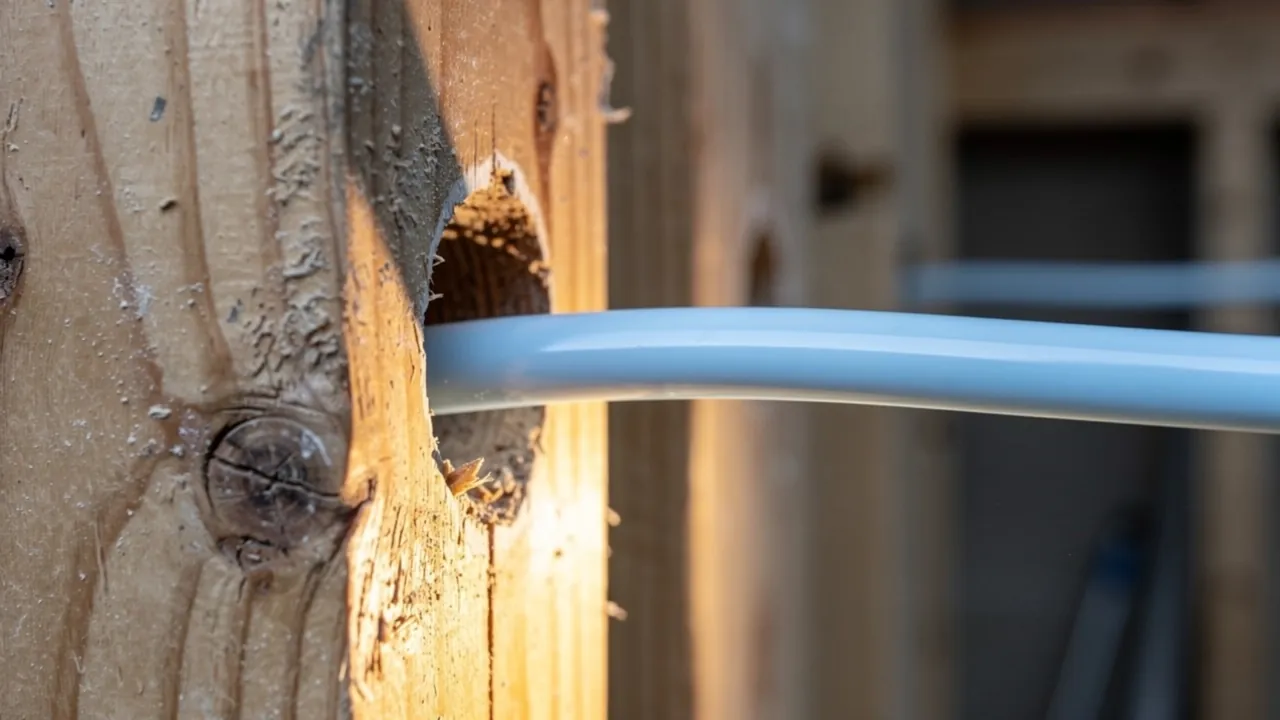
A replacement run is pulled through the same stud bays in continuous lengths, leaving fewer joints hidden behind finished wall than the pipe it replaces.
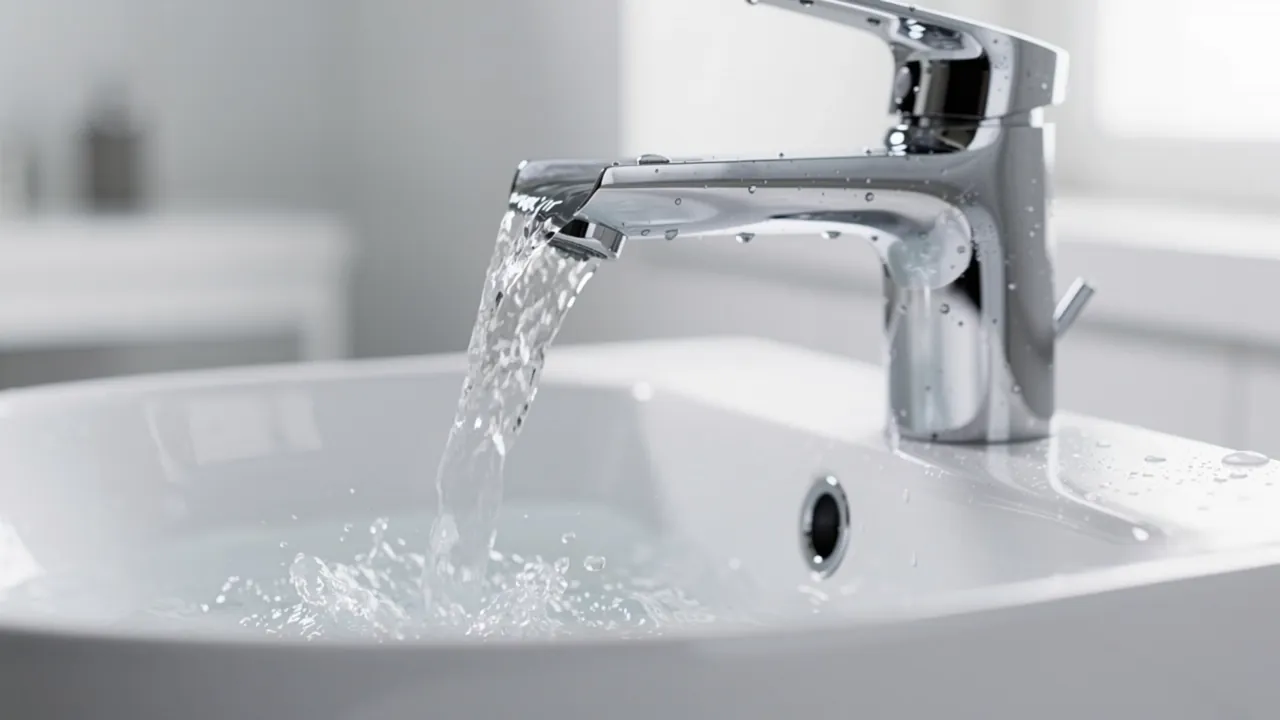
With the old restriction gone, flow returns at every fixture at once, which is what separates replacing the pipe from patching it.
A repipe answers a pattern of failures rather than a single leak. What moves the answer in that direction is below.
The signal is pattern, not severity. One pinhole leak is a repair. Four things move the answer toward replacing the pipe.
A third pinhole leak in eighteen months, in different parts of the house, is the pipe telling you the rest of it is the same age and the same condition.
One slow fixture is a fixture problem. The whole house losing pressure together points at the supply piping.
Rust carried out of the pipe wall, usually galvanized steel reaching the end of its life.
Visible at the water heater or in the crawlspace, and the easiest one for you to check yourself.
If you are not sure what you have, we can tell you from a look at the exposed pipe at the water heater or in the crawlspace, and that costs you nothing to ask.
We will tell you plainly when a repair is the better call. A repipe is a real expense and it is not the answer to a single leak.
A whole-house repipe is the largest plumbing job most homeowners ever buy, so ask the same six questions of every company you talk to, us included. The answers tell you whether you are getting a diagnosis or a sales pitch.
A straight answer names the pattern: leaks in different rooms, pressure lost everywhere at once, discolored water, corroded joints. One leak is not a reason.
Ask what the new supply line is made of, how it is joined, and why it suits your house rather than just the last house they did.
A new line is pulled through the same stud bays, but some openings cannot be avoided. Ask who patches them and whether that is in the price.
It changes the schedule and the price, and you should know before the work starts, not after.
Ask for the South Carolina license number and look it up yourself on the SC Department of Labor, Licensing and Regulation contractor lookup. Ours is CLM.117414.
You should. We give it to you before any work begins.
Ask us all six when you call (803) 233-7606.
You get the price before the work starts, not after, and we will tell you on the phone rather than at the door.
Someone picks up day or night, Monday through Friday, and you speak with a person who can get a technician moving.
We tell you what the work costs before it starts, on the phone rather than at the door.
South Carolina licensed, and the license number is on this page.
Nothing is opened up, replaced or billed until you have agreed to the price.
Work outside normal business hours carries an additional labor charge, and we tell you what it is before we dispatch.
What moves the price: how easy the failure is to reach, the age and condition of what is already there, whether the fix is a repair or a full replacement, whether a permit or inspection is required, and whether you need us outside normal hours.
What your job costs depends on what we find. Nothing here is a quote and nothing here is a guarantee, and we give you the price for it before any work begins.
Veterans, mention it when you book and we will apply 10% off.
South Carolina licensed. LICENSE #: CLM.117414
Everything this page says about us, and every local number it uses, can be checked at the source. Our license, our reviews and the housing data are all public, and each one is linked here so you do not have to take our word for any of it.
CLM.117414 is a Mechanical Contractor license with the Plumbing PB5 classification, issued to Blue Collars LLC with Alejandro Espinoza as qualifying party and valid through October 31, 2027. Search 117414 on the SC LLR contractor lookup.
The South Carolina Contractor's Licensing Board, part of SC LLR, licenses mechanical contractors and explains what active, inactive and lapsed status mean before you hire anyone.
The Blue Collars listing at 650 Frink St, Cayce shows 5.0 stars from 51 Google reviews, read November 2, 2026. Read them before you call.
U.S. Census Bureau, American Community Survey 2024, table B25034: 61,873 of 136,956 homes built between 1970 and 1999.
The same Census table: 19,218 of the city of Columbia's 64,975 homes built before 1960, and 37.1% of Richland County's homes built between 1970 and 1999.
The American Society of Home Inspectors' Reporter on finding gray polybutylene behind a wall with a flashlight.
We run residential plumbing out of our Cayce shop at 650 Frink St and cover the Midlands: Columbia, West Columbia, Cayce, Lexington, Chapin, Lake Murray, Blythewood, Elgin, Lugoff, Newberry, Batesburg-Leesville, Aiken and Sumter.
Inside Columbia that includes Shandon, Rosewood, Five Points, Forest Acres, Eau Claire, Dentsville, Arcadia Lakes and St. Andrews, and across the river Irmo, Seven Oaks, Red Bank, Springdale, South Congaree, Pine Ridge, Gaston, Swansea, Gilbert, Hopkins, Eastover, Camden, Winnsboro and Ridgeway.
The list above is the full service area. The map could not load.
Every town page below is served by the same Cayce team on the same line, (803) 233-7606. Distances are straight-line miles from our shop at 650 Frink St, measured from map coordinates, so the drive is a little longer.
Our shop is on Frink Street, 1.2 miles from the center of town, which makes Cayce the closest town we serve.
About 1.4 miles north of the shop, in the same Lexington County housing stock as Cayce.
About 10.5 miles west, in the county where 45.2% of homes were built between 1970 and 1999.
About 21.5 miles northwest, on the north side of Lake Murray.
About 17.3 miles north, in Richland County, where 37.1% of homes were built between 1970 and 1999.
Lakeside homes from Chapin and Irmo around to Lexington, served from the same Cayce shop and phone line.
 Blue CollarsColumbia dispatch, (803) 233-7606Online
These are the questions Columbia homeowners ask us most. Tap one and you will get the straight answer.
Tap a question to ask
Call (803) 233-7606 for residential plumbing in Columbia, 24 hours a day Monday through Friday, or send the form and we will call you back.