

Dealing with clogged drains can be frustrating and costly. The good news? Most clogs are preventable with the right habits and maintenance. Here’s what you need to know:
- Top Causes of Clogs: Grease and oil buildup, hair and soap scum, food waste, and foreign objects are the primary culprits.
- Prevention Tips:
- Never pour grease or oil down the drain. Let it cool, then dispose of it in the trash.
- Use drain strainers to catch hair and debris in sinks and showers.
- Clean drains regularly using hot water, baking soda, and vinegar.
- Teach everyone in your home what should and shouldn’t go down the drain.
- Warning Signs: Slow drainage, gurgling sounds, bad odors, or water backups signal a problem that needs attention.
- When to Call a Pro: Recurring clogs, severe backups, or strange odors often require professional tools like hydro jetting for a thorough fix.
Preventing clogs saves money, protects your property, and avoids health risks. Simple steps like proper waste disposal and regular cleaning go a long way in keeping your plumbing system running smoothly.
What Causes Drain Clogs
Knowing what leads to drain clogs can help you address the issue before it spirals out of control. Most blockages develop over time from everyday materials. Let’s break down the main offenders.
Grease and Oil Buildup
Grease accounts for about 47% of blocked sewage overflows in the U.S. annually, making it the top cause of drain issues nationwide. With over 500,000 sewer overflows reported every year, grease-related blockages cost cities millions in cleanup and repairs.
The trouble often begins in the kitchen. When fats and oils are poured down the drain, they cool, solidify, and stick to pipe walls. Here’s how it unfolds:
"The primary problem with discarding grease and oil down the drain is that liquid oils float in water. Therefore, as oil moves through your sewer pipes, it creates a greasy film along the side that is not easy to remove. Over time, this film can grow thicker as more grease accumulates. Grease and oil also solidify once they reach cooler temperatures further down the pipeline." – Mr. Rooter Plumbing of Southeast Georgia
As grease cools, it hardens and clings to the pipe’s interior, gradually narrowing the passage. Over time, it traps food particles and combines with calcium to form "fatbergs" – massive obstructions that can cripple entire sewer systems.
Running hot water doesn’t help. It simply pushes the grease further down the pipes, where it eventually solidifies.
Hair and Soap Scum
Bathroom drains face a one-two punch from hair and soap residue. Hair easily slips through most drain covers, creating a net-like structure that traps other debris. But hair alone isn’t the entire problem – it becomes a bigger issue when mixed with soap scum.
Soap scum forms when soap reacts with minerals in water, leaving behind a sticky residue on pipe walls. Over time, this residue hardens, capturing hair and other particles. Each shower adds to the buildup, forming dense, stubborn clogs. The soap scum essentially acts as glue, binding everything together. Oil-based personal care products can make the situation even worse by intensifying the residue.
Food Waste and Foreign Objects
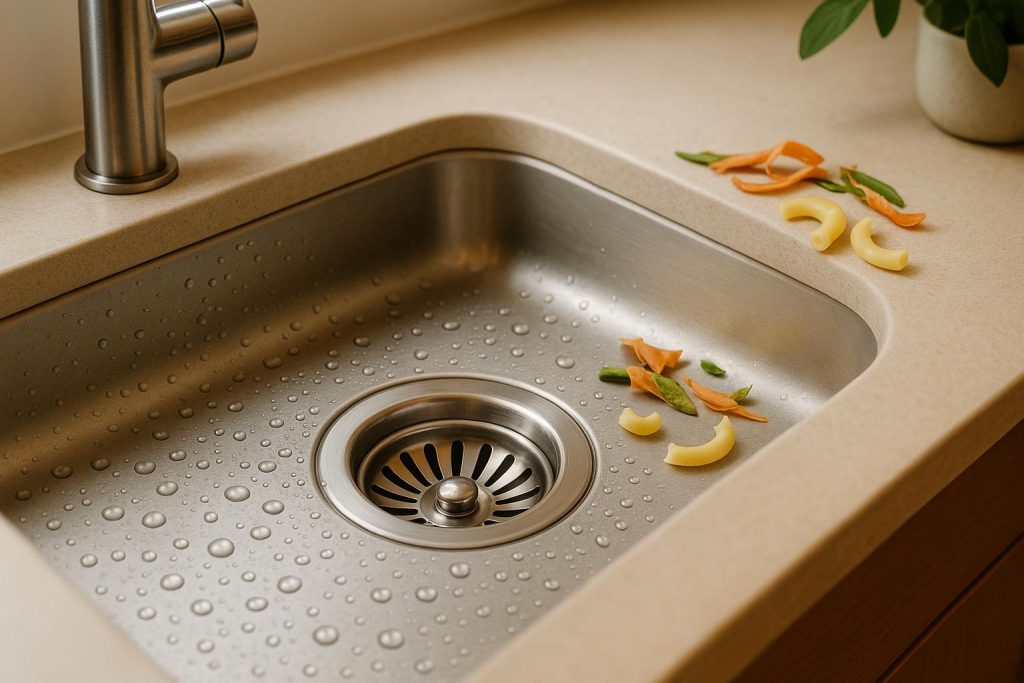
Kitchen sinks deal with a steady flow of food particles, but some are more problematic than others. Starchy foods, coffee grounds, and eggshells don’t dissolve and can quickly accumulate, leading to blockages. On top of that, foreign objects like utensils or bottle caps can accidentally fall into the drain, obstructing water flow.
Understanding these common causes is the first step to preventing clogs and keeping your plumbing system running smoothly.
How to Prevent Drain Clogs
Preventing clogs is always easier – and far less expensive – than dealing with plumbing emergencies. By adopting smart habits and regular maintenance, you can keep your drains running smoothly and avoid those dreaded calls to the plumber.
Proper Waste Disposal
The first step to keeping your drains clear is knowing what NOT to put down them. Fats, oils, and grease (commonly called FOG) are some of the worst culprits. Whether it’s your kitchen sink, bathroom sink, or toilet, these substances should never go down the drain.
"The easiest way to solve the grease problem and help prevent overflows of raw sewage is to keep this material out of the sewer system." – Sussex County Government
Instead, let grease cool completely, then scrape it into a container like an empty coffee can or glass jar. Once the container is full, toss it in the trash. Before washing greasy dishes, wipe them down with a paper towel to remove excess grease. Charleston County residents can also take used cooking oil to a county convenience center, as explained in what not to put down a garbage disposal.
In December 2024, the Coachella Valley Water District (CVWD) issued a reminder about proper FOG disposal after noticing an increase in sewer-related issues. Their advice? Scrape grease into the trash, wipe down pans before washing, and use strainers to catch food particles.
"When FOGs mix with items like wipes, paper towels, or other trash, they form fatbergs – massive clogs that can back up sewer systems and damage home plumbing." – Lorraine Garcia of CVWD
For cooking oils, check if your local community has a recycling program. Many areas offer grease recycling services, making it easier to dispose of oils responsibly.
Install Drain Strainers
Drain strainers are an inexpensive yet effective way to stop clogs before they start. These mesh screens catch hair, food scraps, and other debris, preventing them from sneaking into your pipes. Bathroom drains, in particular, benefit from strainers since hair tends to accumulate quickly.
When shopping for strainers, measure your drain opening to ensure a proper fit. Look for designs that are easy to clean, such as those with removable parts or larger holes for quick rinsing.
To keep strainers working efficiently, clean them regularly. Empty and rinse them at least once a week – or whenever you notice debris building up. This simple habit can save you from dealing with water backing up in your sink or tub.
Regular Cleaning and Maintenance
Routine cleaning can stop minor buildup from turning into a full-blown clog. One of the simplest tricks? Hot water. Running hot water down your drains weekly can help dissolve grease and flush away debris.
"Hot water helps dissolve and wash away grease and other debris that can accumulate in the pipes." – Val Oliveira, CEO of Val’s Cleaning Services
After cooking or washing dishes, run hot water for a few minutes. Adding a couple of drops of grease-fighting dish soap can make this even more effective. For deeper cleaning, try these DIY solutions every 1 to 3 months:
- Baking Soda and Vinegar: Pour ½ cup of baking soda followed by ½ cup of vinegar down the drain. Let it sit for 30 to 60 minutes, then flush with boiling water.
- Baking Soda and Salt: Combine 1 cup of baking soda with ½ cup of salt. Pour the mixture into the drain, let it sit overnight, and flush with boiling water in the morning.
"If you start to notice slow drainage or clogs, this means that it’s time for cleaning." – Val Oliveira, CEO of Val’s Cleaning Services
Teach Everyone in Your Home
Good habits are only effective if everyone in the household is on the same page. Make sure everyone knows what can and cannot go down the drains. This is especially important for children, who may need reminders not to flush toys, excessive toilet paper, or other inappropriate items.
Establish clear rules, such as:
- No grease or food scraps in the kitchen sink.
- Only flush human waste and moderate amounts of toilet paper in the bathroom.
- Clean strainers after each use.
Posting reminders near sinks and toilets can help reinforce these habits. Encourage everyone to report any signs of slow drainage right away – early action can prevent small problems from becoming costly repairs. By working together, you can keep your plumbing system in good shape for years to come.
Warning Signs of Drain Clogs
Spotting drain issues early can save you from expensive repairs down the road. Your plumbing system often gives you clear signals when something’s wrong – you just need to recognize them. Keep an eye out for these common signs to tackle problems before they get worse.
Slow Draining Water
If water is draining slower than usual, it’s likely due to a clog forming in your pipes. You might notice water pooling in your sink or shower or lingering longer than it should. This happens when debris like hair, soap scum, or grease builds up along the pipe walls, gradually narrowing the passage for water.
Even small changes in how quickly water drains can be a red flag. For instance, if your kitchen sink used to empty in seconds but now takes a minute or more, it’s time to investigate.
Gurgling Sounds
Odd noises coming from your drains, like gurgling or bubbling, often mean air is getting trapped by a partial blockage. These sounds can occur at a single drain or multiple fixtures, hinting at a bigger problem in the main drain line. The gurgling happens because debris is obstructing water flow and trapping air in the pipes.
If you hear these sounds regularly, it’s a sign that something’s not right. Ignoring them could lead to more significant issues, so it’s best to address them sooner rather than later.
Bad Smells or Water Backup
Unpleasant odors or water backing up through your drains are signs of more severe blockages. Foul smells – ranging from sewage-like to methane – come from decomposing debris stuck in your pipes. These odors often become stronger when you run water, as the flow stirs up the trapped material.
If bad smells are accompanied by gurgling sounds, the issue could be with your P-trap or a clogged vent system. Water backing up through your drains is another urgent warning. This usually points to a major blockage that might require professional help. Sewer gas odors, especially those resembling methane or natural gas, combined with gurgling sounds, could signal serious problems with your sewer main or plumbing vents.
When these signs persist, it’s time to call in an expert to evaluate the situation and prevent further damage.
sbb-itb-8415e22
When to Call a Professional Plumber
Sometimes, even with regular cleaning and minor fixes, plumbing problems persist. Knowing when to call a professional plumber can save you from expensive repairs and ensure your system gets the care it needs. While DIY methods work for small clogs, certain warning signs demand expert attention.
Recurring Clogs or Water Backups
If you’re dealing with the same clog over and over, it’s a sign of a deeper issue that quick fixes won’t solve. Water backing up into unused fixtures, like a bathtub or sink, usually points to a blockage in the main sewer line, forcing wastewater to find alternate routes. Dirty or discolored water – especially if it smells or looks like sewage – emerging from your drains is another red flag that requires professional tools to address. Standing water in sinks, showers, or tubs, along with persistent gurgling noises, also signal the need for expert help.
Why Professional Services Are Worth It
Plumbers bring tools and techniques to the table that go far beyond what you can do at home. For example, video inspection cameras allow them to pinpoint the exact location of a clog, while high-pressure water jetting (hydro jetting) clears blockages and thoroughly cleans pipe walls. Hydro jetting uses water pressure up to 4,000 PSI, which is far more effective than DIY methods that often just create a small pathway through a blockage.
Additionally, professionals use safer alternatives to chemical drain cleaners, like enzyme-based solutions, which break down organic matter without harming your pipes. Regular professional cleanings can also extend the life of your plumbing system by identifying early signs of damage before they escalate into costly problems. For larger households or homes with older pipes, scheduling professional cleanings every 6 to 8 months can help prevent emergencies.
Choose Blue Collars for Dependable Plumbing Help

When your DIY efforts aren’t enough, professional plumbers ensure long-lasting solutions. At Blue Collars, we offer 24/7 emergency plumbing services to quickly get your system back in order. Our technicians come equipped with advanced tools, like hydro jetting systems, and use environmentally friendly methods to solve problems at their root. We pride ourselves on transparent pricing – no hidden fees – and effective, lasting results.
Whether you’re dealing with recurring clogs, strange odors, or water backups, our team can diagnose and fix the issue promptly. With convenient online booking and fast response times, Blue Collars is always ready to restore your plumbing and keep your home running smoothly. Don’t wait for a small issue to turn into a big problem – let us handle it.
Conclusion
Preventing drain clogs isn’t just about convenience – it helps you avoid expensive repairs and protects your property. By adopting simple habits, you can keep your drainage system in top shape and steer clear of frustrating blockages.
Regular maintenance doesn’t just keep things flowing; it also extends the life of your pipes and fixtures. This means fewer problems like corrosion, leaks, or bursts, which can save you significant money in the long run. Spending a few minutes each week on drain care can go a long way in preserving your property’s value.
Beyond financial benefits, routine cleaning keeps your home healthier by reducing harmful pathogens and eliminating unpleasant odors.
Of course, even with the best efforts, some situations call for professional help. As Splash Plumbing puts it:
"Preventative maintenance plays a key role in ensuring long-lasting plumbing performance by addressing potential issues before they escalate into costly repairs".
Pairing daily upkeep with professional drain cleaning every 6 to 8 months creates a solid plan to avoid costly emergencies.
For those moments when expert assistance is needed, Blue Collars offers 24/7 emergency services, advanced solutions like hydro jetting, and clear, upfront pricing. Whether it’s routine maintenance or an unexpected clog, their licensed technicians are equipped to keep your plumbing system running smoothly. Combining these professional services with proactive care ensures your plumbing system stays reliable for years to come.
FAQs
What are some easy and chemical-free ways to unclog a drain at home?
If you’re looking to clear a clogged drain without resorting to harsh chemicals, here are a few simple and practical methods you can try:
- Baking soda and vinegar: Start by pouring 1/2 cup of baking soda into the drain, then follow it with 1/2 cup of vinegar. Allow the mixture to fizz and work its magic for 10 to 30 minutes before flushing it out with hot water. This combination is especially useful for breaking down clogs caused by grease or debris.
- Boiling water with baking soda: For grease-related clogs, mix a few tablespoons of baking soda with boiling water and pour it down the drain. The heat and baking soda work together to dissolve the buildup.
- Wire hanger or drain snake: Straighten out a wire hanger or use a drain snake to physically remove hair or other blockages from the drain. This hands-on approach is effective for stubborn clogs.
These DIY solutions are budget-friendly, gentle on your plumbing, and better for the environment compared to chemical cleaners.
What are the signs of a severe drain clog that might need a professional plumber?
Severe drain clogs can make themselves known in a few clear ways. Watch for water backing up into sinks, tubs, or other fixtures, slow drainage that just won’t improve, or persistent unpleasant odors coming from your drains. You might also notice gurgling noises when water runs, standing water that refuses to go down, or even multiple drains backing up at the same time.
Another red flag is an unexplained spike in your water bill, which could point to a more serious blockage within your plumbing system. If you spot any of these problems, it’s a smart move to call a licensed plumber right away. Acting quickly can help you avoid more expensive repairs later on.
What maintenance steps can I take to keep my plumbing system in good shape and make it last longer?
Regular upkeep is essential for ensuring your plumbing system works efficiently and lasts longer. Here’s how you can stay ahead of potential issues: One Charleston cause that no amount of prevention will fix is a high tide backing up the sewer system. The related question is covered in How to Unclog a Kitchen Sink: Step-by-Step Guide.
- Book yearly inspections with a licensed plumber to identify and fix minor problems before they escalate.
- Keep your drains clean by removing grease, hair, and any debris that could cause clogs.
- Inspect for leaks around faucets, pipes, and fixtures to prevent water damage and reduce waste.
- Keep an eye on water pressure, maintaining it within the recommended range of 40 to 60 psi to avoid strain on your pipes.
- Wrap exposed pipes with insulation to protect them from freezing during the winter months.
These straightforward steps can save you from costly repairs and help your plumbing system run efficiently for the long haul. We work through the same ground in Guide to Drain Cleaning: Tips for a Clog-Free Home.
Who wrote this
- SC license
- CLM 117414
- Charleston
- 2157 Rich Street, Ste 203, North Charleston, SC 29405
- Availability
- 24 hours, 7 days, live technician on the phone
- Veterans
- 10% off, mention it when you book
This page is written by the licensed contractor that does the work, not by a national cost aggregator. Every figure on it is either our own pricing or traced to a named primary source in the list below. Check our license before you book us, and before you book anyone else. More about Blue Collars.
