

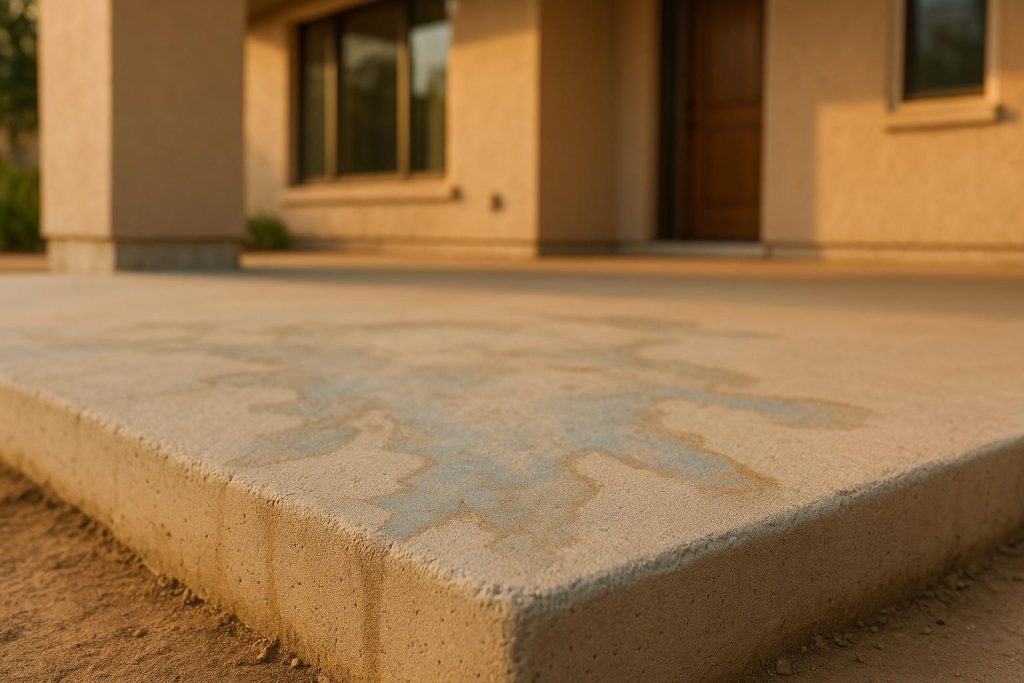
Slab leaks are hidden plumbing issues beneath concrete foundations that can cause costly damage if left untreated. In Charleston, the risk is especially high due to the city’s soft soil, coastal humidity, and aging infrastructure. These leaks can destabilize foundations, lead to mold growth, and increase flood risks.
Key Points:
- What is a Slab Leak? A water pipe leak under a concrete foundation, often hard to detect.
- Charleston’s Risk Factors: High water table, clay soils, salt air, and flooding make slab leaks more common.
- Signs to Watch For: Sudden high water bills, damp floors, or foundation cracks.
- Damage Risks: Foundation shifts, mold, and structural instability.
- Prevention Tips: Regular plumbing inspections, managing water pressure, and improving drainage.
Act quickly if you suspect a slab leak to avoid severe damage and costly repairs.
What Are Slab Leaks and Their Impact
How Slab Leaks Work
A slab leak happens when water pipes beneath a concrete foundation break or start leaking, leading to hidden but potentially severe damage. These leaks can occur in both freshwater and sewer lines under the slab, making them particularly hard to detect and repair.
"A slab leak refers to a leak in the water pipes situated under the concrete foundation of a home." – Reliant Plumbing
Slab foundations became more common starting in the early 1900s, thanks to their practicality and lower costs. Today, they’re the foundation choice for 63.2% of newly built single-family homes in the U.S., with some states like Texas seeing rates as high as 95.6%. This construction style places the main water pipes directly under the foundation, which is why leaks in these areas can quickly spiral into major problems.
Detecting slab leaks is notoriously difficult because they’re hidden. Often, the first signs are indirect, like mysterious water damage, shifting foundations, or unusually high water bills.
Charleston‘s Higher Risk Factors
Charleston’s coastal environment amplifies the risks of slab leaks. The area’s high water table and constant coastal humidity can corrode pipes, especially in older structures with aging plumbing systems. Additionally, Charleston’s expansive clay soils expand and contract with moisture changes, putting stress on underground pipes and increasing the likelihood of leaks. This soil movement becomes even more pronounced during wet seasons when heavy rains saturate the ground.
The city’s water chemistry also plays a role. In some areas, water that’s too acidic or too alkaline can corrode pipes from the inside out. Combine this with Charleston’s mix of historic homes and rapid new developments, and you get a wide range of vulnerabilities.
Flooding is another growing concern. South Carolina has faced three major flooding events since August 2024, with riverine flooding becoming one of the state’s most frequent hazards. This excess water puts additional strain on foundation systems and underground plumbing.
"Slab-on-grade construction in low-lying areas makes the already dangerous problem of flooding worse." – Jenny Brennan, SELC science and policy analyst
These unique conditions make Charleston properties particularly susceptible to damage if slab leaks aren’t addressed promptly.
Damage from Ignored Slab Leaks
In Charleston, where environmental factors already challenge building durability, ignoring slab leaks can lead to serious financial and health consequences. Slab leaks can destabilize foundations, resulting in cracks, uneven floors, and misaligned windows or doors. In a humid climate like Charleston’s, they also encourage mold growth, which can quickly spread through walls and ventilation systems, creating health hazards that require professional remediation.
The city’s low-lying areas, with their soft sediments, only add to the problem by making foundations even more vulnerable. Tree roots searching for water can also exploit small cracks in pipes, worsening leaks over time.
Unchecked slab leaks can jeopardize a building’s structural integrity, leaving it at greater risk during severe weather events. According to NOAA, storm surge and inland flooding account for nearly 90% of all fatalities linked to tropical cyclones in the U.S.. When slab leaks weaken a property’s foundation, it becomes even more exposed to damage during these extreme weather events.
Addressing slab leaks early is critical to avoiding these cascading issues.
Main Causes of Slab Leaks in Charleston
Understanding what triggers slab leaks is essential for homeowners in Charleston, given the city’s unique coastal environment. The combination of soil conditions, aging infrastructure, and environmental factors creates the perfect storm for underground pipe failures.
Soil Movement and Settlement
Charleston’s soil is a mix of sand and clay, which reacts dramatically to changes in moisture levels. During heavy rains, clay-rich soil swells, pressing against underground pipes. In contrast, dry spells cause the soil to shrink, leaving pipes unsupported and prone to cracking or shifting. This constant cycle of expansion and contraction puts significant strain on plumbing systems.
Homes built on slab foundations are particularly vulnerable. In these constructions, concrete is poured directly over prepared soil, embedding pipes in an environment that is constantly shifting. Additionally, construction activities often disrupt natural drainage, increasing the likelihood of soil erosion around foundations and further stressing pipes.
Corroded and Old Pipes
Charleston’s coastal location accelerates the corrosion of metal pipes. The salt-laden air, combined with high humidity, creates the perfect conditions for rapid pipe deterioration.
"Charleston’s coastal air contains a high volume of chlorides that are extremely corrosive to metal and aging pipes." – Mr. Rooter Plumbing of Greater Charleston
Ocean spray, especially during storms or windy conditions, deposits chlorides onto pipes, triggering chemical reactions that weaken materials like iron, galvanized steel, and copper. Historic homes in Charleston face even greater risks, as many still rely on outdated plumbing systems that were not built to endure these harsh conditions. Over time, corroded pipes can develop small, undetectable leaks that cause significant damage to both the foundation and surrounding soil. Hard water in the area also contributes to corrosion by leaving behind mineral deposits that exacerbate pipe wear.
Water Pressure Problems and Poor Installation
High water pressure is another common culprit. Many Charleston homes experience water pressure levels above 80 psi, which exceeds what most residential plumbing systems are designed to handle. Excessive pressure can turn tiny cracks into full-blown leaks, especially in pipes already weakened by corrosion or soil movement.
Faulty installation practices during construction or renovations can also lead to slab leaks. Pipes that are improperly supported, poorly connected, or made from incompatible materials are far more likely to fail. In Charleston’s challenging environment, these errors become even more problematic. Whether the pipes are copper, galvanized metal, or modern materials like CPVC and PEX, rushed or subpar installation can leave the system vulnerable to leaks.
These factors provide a clear picture of why slab leaks occur, setting the stage for recognizing their warning signs.
Signs That Point to a Slab Leak
Catching the signs of a slab leak early can save you from expensive repairs and damage to your Charleston property. One of the most telling signs? A sudden, unexplained increase in your water bill.
Higher Water Bills Without Explanation
Your water bill can be a red flag for hidden slab leaks. When pipes beneath your home’s foundation start leaking, water continuously escapes, causing your meter readings – and your bill – to climb.
"Ignoring an unusually high water bill can be costly, not just in dollars but in potential damage to your home." – High Speed Plumbing
Slab leaks are tricky because they often go unnoticed until a sharp spike in your bill grabs your attention. A slow, steady increase could mean a small leak, while a sudden jump might signal a more serious pipe rupture. To spot these issues early, compare your current bill to previous months. If your water usage habits haven’t changed and there’s no obvious reason – like a dripping faucet or a running toilet – a slab leak could be the culprit.
Keep a close eye on your water bill. If something seems off, don’t wait – reach out to your plumber and insurance provider right away.
sbb-itb-8415e22
Steps to Take When You Suspect a Slab Leak
If you think you might have a slab leak, it’s important to act quickly. A slow response can turn a manageable issue into an expensive repair nightmare. Here’s what you need to know and do.
First Steps for Property Owners
Start by shutting off your main water supply. You’ll usually find the valve near your water meter or where the main water line enters your home. Cutting off the water flow buys you time to assess the situation without risking further damage.
Next, document everything. Take photos of wet spots, moisture stains, or unusually warm areas on your floors. These records can be incredibly helpful when filing insurance claims and will also help plumbers understand the extent of the problem.
It’s tempting to tackle the issue yourself, but DIY repairs can often make things worse, especially when dealing with a slab foundation. If you hear water running even when all your taps are off, it’s a clear sign of a hidden leak. In such cases, reach out to a professional plumber immediately. Every hour counts when it comes to limiting water damage and preserving your home’s structural integrity.
How Professionals Find Slab Leaks
Detecting slab leaks has come a long way, thanks to modern technology. Plumbers now use advanced, non-invasive tools that can locate leaks without tearing up your floors unnecessarily. Here’s how they do it:
- Acoustic listening devices: These tools pick up the distinct sound of water escaping from pipes, helping plumbers zero in on the leak’s location.
- Thermal imaging cameras: By showing temperature variations, these cameras can highlight areas where water might be leaking.
- Electronic leak detection: Sensors identify moisture hidden beneath the surface without the need for digging.
- Pressure testing: This method identifies weak points in your plumbing system.
- Video pipe inspections: A small camera is sent into the pipes, giving a real-time view of any cracks, corrosion, or other issues.
The cost of professional slab leak detection typically ranges from $150 to $400. While that might seem like an expense, it’s a small price to pay compared to the potential damage an undetected leak can cause. With accurate leak detection, you can move forward with repairs confidently.
Why Blue Collars Is Your Best Choice for Slab Leak Repairs

Charleston’s coastal environment presents unique challenges, and slab leaks are no exception. That’s where Blue Collars comes in. Their 24/7 emergency plumbing services are tailored to Charleston’s specific needs, from the shifting soils and high humidity to the mix of historic homes and modern buildings. Blue Collars’ licensed and insured technicians bring the expertise needed to address both immediate repairs and long-term solutions.
When it comes to costs, Blue Collars keeps things transparent. No surprise charges – just clear pricing and a range of options, from straightforward epoxy repairs to more extensive fixes. Their team also provides guidance on preventing future leaks, taking Charleston’s unique climate and soil conditions into account.
Need help fast? Blue Collars’ online booking system makes it easy to schedule a visit, and their immediate response team ensures you’re never left waiting. With state-of-the-art equipment, local know-how, and round-the-clock availability, Blue Collars is Charleston’s trusted partner for slab leak detection and repair. Protect your home and your peace of mind with their reliable services.
Fixing and Preventing Slab Leaks
Choosing the right repair approach can make a big difference in cost and minimize the hassle. The trick? Know your options and take steps to avoid future issues. Building on early detection, understanding various repair methods and preventive strategies is key to safeguarding your home.
Common Slab Leak Repair Methods
Repairing slab leaks can cost anywhere from $650 to $4,400, with additional restoration expenses if the damage is extensive. The method you choose depends on factors like the leak’s location, the age of your home, and your budget.
- Pipe Lining: This method is less invasive. A plumber inserts an epoxy-coated tube into the damaged pipe, creating a new lining within it. This works well if the pipe’s diameter allows for it, and it’s a great choice for preserving your flooring.
- Repiping or Rerouting Pipes: In this approach, new pipes are installed in a different area, often above or around the slab. The old system remains functional until the new pipes are ready, ensuring minimal disruption. This is ideal for homes with multiple leaks or heavily corroded plumbing.
- Tunneling Below the Slab: Instead of breaking through concrete, contractors dig a tunnel to access the leak. After repairs, the tunnel is refilled with soil. It’s a less invasive and often cheaper option compared to cutting through the slab.
- Breaking the Slab: This involves jackhammering through the concrete to access and fix the pipe. While this method is more invasive and costly, it can be a quicker solution in some cases.
- Trenchless Methods: Techniques like pipe bursting involve breaking apart the old pipe while simultaneously installing a new one. This minimizes digging and disruption.
"Repairing a slab leak is not optional – it’s a necessity. Untreated leaks can cause tens of thousands of dollars in damage, including foundation cracking, mold growth, and structural instability. Acting quickly helps minimize these risks and saves you from escalating repair costs." – billyGO
How to Prevent Future Slab Leaks
Once the repair is done, staying proactive can help you avoid repeat problems. Maintenance and prevention are especially important in areas like Charleston, where the coastal environment adds unique challenges.
- Manage Water Pressure: High water pressure can weaken copper pipes and loosen joints. Aim to keep your water pressure between 40 and 60 psi. Use a gauge to check it and install a pressure regulator if necessary.
- Schedule Annual Plumbing Inspections: Regular inspections can catch early signs of wear or damage before they turn into major issues, saving you from costly repairs down the line.
"Regular plumbing maintenance and inspections are always the best line of defense for preventing slab leaks and other plumbing issues." – Ready & Able
- Improve Water Quality: Hard water, rich in calcium and magnesium, can corrode copper pipes. Installing a water softener can reduce mineral buildup and extend the life of your plumbing.
- Ensure Proper Drainage: Direct water away from your foundation with well-maintained gutters and downspouts. Also, ensure your landscaping slopes away from the house to prevent water pooling around the foundation, especially during heavy rains.
- Use Safe Drain Cleaning Methods: Avoid chemical drain cleaners, which can corrode pipes. Opt for a plunger or drain snake to clear clogs instead.
- Be Mindful of Landscaping: Keep large trees or shrubs with aggressive root systems away from your foundation. Also, maintain consistent soil moisture to prevent it from expanding or contracting, which can stress underground pipes.
- Install Monitoring Systems: Keep an eye on your water bills for unexplained spikes – this could indicate a hidden leak. With the average commercial water damage claim in Charleston exceeding $75,000, early detection is crucial for both homes and businesses.
To help homeowners stay ahead of slab leak problems, Blue Collars offers maintenance plans tailored to Charleston’s specific needs. Their services include regular pressure checks, pipe inspections, and drainage assessments, helping you catch potential issues before they turn into emergencies.
Protecting Your Charleston Property from Slab Leaks
Keeping your Charleston property safe from slab leaks starts with regular maintenance, professional plumbing inspections, and quick action when signs of trouble appear. Charleston’s coastal location and unique soil conditions make preventative care even more crucial for both homes and businesses. These steps go hand-in-hand with early detection strategies previously discussed.
Why Professional Inspections Matter
Professional plumbing inspections are key to preventing slab leaks. Plumbers use specialized tools like acoustic listening devices, video cameras, and pressure tests to catch issues before they evolve into expensive repairs. These tools can uncover hidden leaks behind walls or beneath floors, saving you from significant water damage.
"Regular plumbing inspections offer a range of long-term benefits that can save homeowners from expensive repairs and water damage." – All Star Plumbing & Restoration Services
Beyond protecting your property, inspections can save you money. For instance, a small drip can waste up to 20 gallons of water daily, while a silent toilet leak might waste as much as 200 gallons per day. Catching these problems early helps maintain efficiency and keeps your water bills manageable. Plus, inspections ensure your plumbing meets local building codes, helping you avoid legal headaches.
Managing Water Pressure
Keeping water pressure in check is another critical step for Charleston properties. Aim for a pressure range of 50 to 75 psi, and avoid exceeding 80 psi. High water pressure can strain your plumbing system, leading to leaks and other issues. Installing a pressure regulator ensures consistent protection from damaging pressure spikes.
Addressing Water Quality
Improving the quality of your water can extend the life of your plumbing. Charleston’s hard water, which contains high levels of calcium and magnesium, accelerates pipe corrosion. Installing a water softener can reduce mineral buildup and help prevent corrosion that often leads to slab leaks.
Foundation and Drainage Maintenance
Charleston’s coastal environment makes foundation and drainage upkeep especially important. Ensure your drainage systems direct water away from your foundation and seal any cracks or gaps that could let water seep in. Keep tree roots at a safe distance from your foundation, as they can exert pressure on underground pipes. Also, steer clear of chemical drain cleaners, which can erode pipes over time.
The Importance of Early Detection
Spotting and repairing slab leaks early can save thousands of dollars in repair costs and help avoid serious structural damage. Acting quickly also protects your property’s value by preventing foundation weakening, mold growth, and the health risks that come with prolonged moisture exposure.
"Early detection of water leaks can save Charleston homeowners thousands of dollars in repair costs and prevent serious damage to your property." – Fix-it 24/7
Expert Support Tailored to Charleston
Blue Collars offers specialized plumbing services designed with Charleston’s unique conditions in mind. Their comprehensive maintenance plans address the challenges of the coastal environment, and their 24/7 emergency services ensure immediate assistance when problems arise. Regular check-ups with Blue Collars can help identify aging systems before they fail, giving you time to plan and budget for necessary upgrades.
Stay Alert for Warning Signs
Your vigilance is your best defense. Pay attention to unusual signs like damp floors or the sound of water running when all faucets are off. These small clues can help you catch slab leaks early and protect your Charleston property from costly damage.
FAQs
How can I tell if I have a slab leak instead of another plumbing problem?
Identifying a slab leak can be challenging since the pipes are buried beneath your home’s foundation. However, there are a few signs that might give it away. Keep an eye out for unexpectedly high water bills with no clear explanation, damp or warm spots on your floors, or a sudden drop in water pressure. These symptoms are often specific to leaks occurring under the slab.
Unlike regular plumbing issues, slab leaks often demand specialized tools, like advanced leak detection equipment, to pinpoint the exact location. If you think you might have a slab leak, it’s crucial to address it quickly to avoid structural damage or expensive repairs.
What happens if a slab leak is ignored in Charleston’s coastal environment?
Ignoring a slab leak in Charleston’s coastal setting can lead to major structural problems over time. The water from the leak can gradually weaken your home’s foundation, walls, and floors, leaving you with expensive repairs. On top of that, the constant dampness creates the perfect conditions for mold and mildew to thrive. Not only can this damage your property further, but it can also pose serious health risks.
In a coastal region like Charleston, where soil erosion and shifting are common, slab leaks can make these problems even worse. Over time, they can threaten the safety and stability of your home. Tackling slab leaks early is crucial to stopping the damage from spiraling out of control and saving yourself from hefty repair bills later.
What should I do right away if I think I have a slab leak in my home?
If you think you might have a slab leak, the first thing to do is shut off your main water supply to stop any further damage. Once that’s done, reach out to a licensed plumber right away to inspect the situation and confirm the problem.
Look for clues such as unexpectedly high water bills, damp or warm patches on your floors, or a noticeable drop in water pressure. Make a note of these details – they’ll help the plumber pinpoint the issue faster. Taking quick action can save you money on repairs and help protect your home from serious structural issues.
Who wrote this
- SC license
- CLM 117414
- Charleston
- 2157 Rich Street, Ste 203, North Charleston, SC 29405
- Availability
- 24 hours, 7 days, live technician on the phone
- Veterans
- 10% off, mention it when you book
This page is written by the licensed contractor that does the work, not by a national cost aggregator. Every figure on it is either our own pricing or traced to a named primary source in the list below. Check our license before you book us, and before you book anyone else. More about Blue Collars.
