

Why Is My Water Heater Leaking?
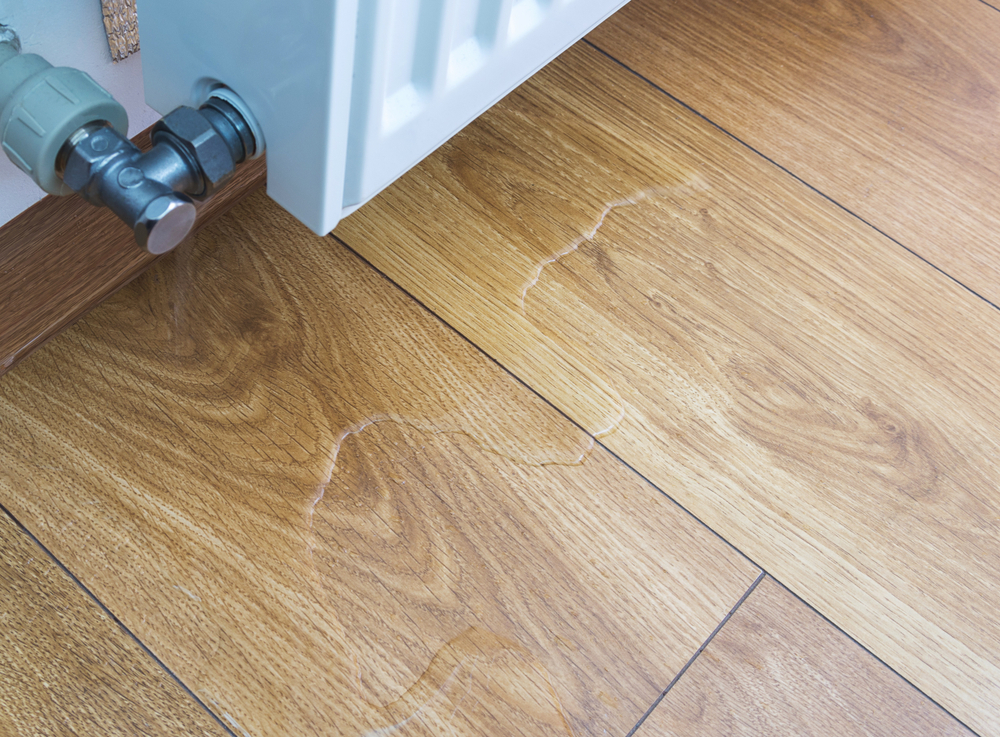
The water heater in your home is the primary source of hot water for everything from cooking and cleaning to showering. Therefore, finding out that your water heater is leaking can be concerning. There are various reasons why a water heater might leak. An emergency plumber can assist in identifying the cause of the leak and repairing it to prevent water damage to your home.
Find out the reasons for water heater leaks, what signs to watch for if you think yours might be leaking and what to do if you discover a leak.
Most Common Causes of Water Heater Leaks
The reasons for a leak in your water heater can vary based on age, how well it’s been maintained or the wear and tear of its essential components. The most common causes of water heater leaks include:
- Older tanks: As with most appliances, the older your water heater tank is, the more likely it is to be worn out. An older water heater tank may leak more often due to the buildup of rust and corrosion. The average lifespan of a standard water heater with a tank is about 8 to 12 years, depending on make, model and maintenance.
- Loose drain valves: The drain valve is the part of your water heater that lets you empty it for cleaning and maintenance. Over time, drain valves may wear out, becoming loose and more likely to leak.
- Loose inlets and outlets: Water heaters have an inlet, through which cold water enters and an outlet, which lets hot water flow through to the rest of your home. Both outlets can also wear out and spring leaks. Emergency plumbers near you can inspect your inlets, outlets and other valves to determine whether they are simply loose or need to be replaced.
- Sediment buildup: Neglecting to clean your water heater regularly increases the risk of mineral sediments forming deposits inside the tank’s surface. Over time, they can reduce your tank’s water capacity and accelerate corrosion. What is considered a plumbing emergency with sediment buildups is the possibility of your tank cracking and causing a major leak. The more sediment, the higher the risk.
- Broken T&P valves: Your water heater’s temperature and pressure (T&P) valve regulates the level of pressure inside the tank by adjusting the water temperature. If it’s not working correctly, the water temperature may be too hot, generating steam and excessive pressure inside the tank. If not addressed on time, the pressure can cause the tank to crack and spring leaks, potentially requiring additional water heater repairs.
Signs Your Water Heater May Be Leaking
If your water heater is failing, it’s important to spot the signs early. Keep an eye out for one or several of the following indicators if you think there might be a water heater leak:
- Unexpected sounds: Although a water heater typically makes some noises during normal operation, it’s important to distinguish these from sounds indicative of a leak. Persistent dripping or trickling noises could indicate water escaping from the tank, a valve or an inlet.
- Pooling water under the heater: One noticeable sign of a leak is water gathering directly beneath your water heater. While a functioning water heater might produce condensation that can occasionally lead to small water pools, these don’t necessarily indicate a leak. A leaking water heater often results in larger and more consistent pools of water.
- No hot water: If water flows from the faucet but isn’t heating up, a possible reason could be a leak. If the leak is located in the tank or at one of its connections, hot water might be escaping, leading to a reduced supply of hot water in your home. This shortage of hot water is considered a plumbing emergency. If it happens to you, don’t hesitate to call an emergency plumber for same-day water heater repair.
Steps to Follow if You Discover a Leak
Have you located a leak in your water heater system? Don’t panic; follow these steps to address it quickly and prevent your home from experiencing water damage.
- Turn the water supply off: Rotate your water heater’s emergency shutoff valve or handle. On most models, the shutoff valve should be located on or near the cold water inlet.
- Turn the water heater’s power source off: The steps to follow vary depending on your water heater. If it’s electric, switch off the water heater’s circuit breaker or turn off the power to your home. If it’s a gas water heater, turn the gas valve off. Shutting the water heater’s power source is a safety measure, helping prevent electric shocks or gas leaks, depending on the type.
- Determine the exact location of the leak: Examine your water heater and all connecting elements closely. Document every crack or leak you find, as it can help determine what repairs you need.
- Call an emergency plumber: Whether or not you’ve found the source of your water heater leak, you should always contact a 24-hour emergency plumber near you to address it. They have the resources to examine your entire system, determine the extent of the damage and conduct all necessary repairs.
Let Blue Collars Fix Your Water Heater in Charleston, SC
Blue Collars is a dedicated plumbing and HVAC professional team operating in and around the Charleston, SC, area. If your water heater is leaking, schedule a service with us as soon as possible. We offer 24-hour plumbing services, seven days a week, ensuring your plumbing emergency receives the attention it needs as quickly as possible. Get in touch with our team today. If the heater sits in a garage or under an elevated house, it is also worth checking where it sits relative to the flood line. Worth reading alongside this: Is a Leaking Water Heater an Emergency?
