

Is a Clogged Kitchen Sink an Emergency?
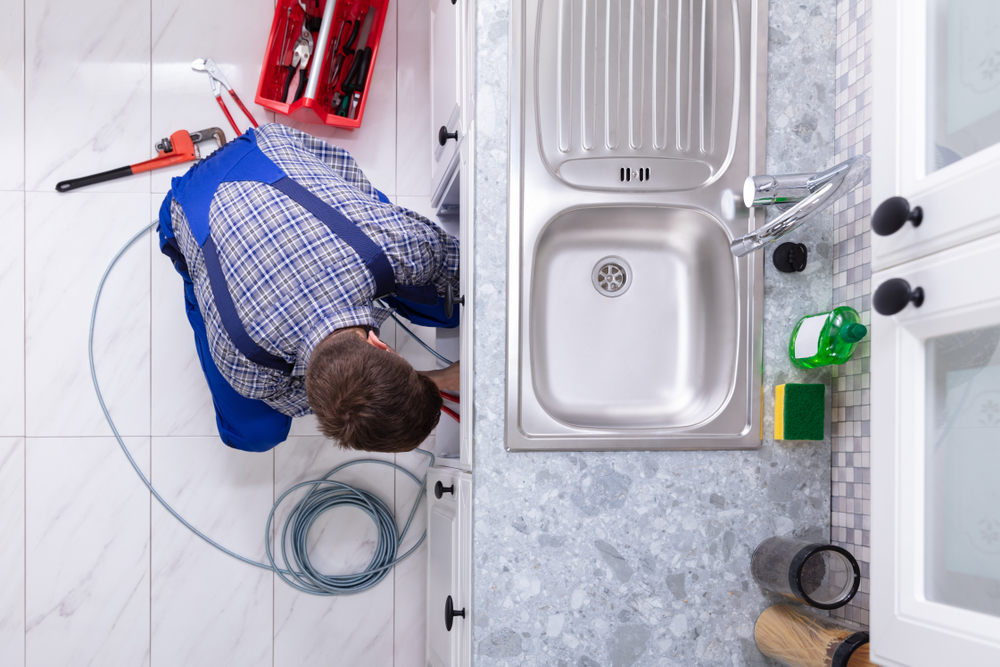
Numerous factors, including food remnants, mineral deposits and hardened grease, can lead to clogs in the drain and pipes beneath your kitchen sink. Although these clogs are frequent household plumbing problems, they can escalate into urgent plumbing emergencies if not dealt with promptly.
If your kitchen sink is clogged and you cannot fix it yourself, contact an emergency plumber at Blue Collars. We can help you identify what’s blocking the pipe, remove the obstruction, and avoid costly kitchen sink repairs.
Common Causes of Clogged Kitchen Sinks
Your kitchen sink, drain, and pipes are designed to handle dirty water and can manage soap, detergents and small amounts of food particles. However, it’s important to be careful about what you put down your drain and to regularly clean and maintain your sink to reduce the chances of a clog.
Some of the most common causes of clogged sinks include:
- Excessive food particles: Too many food particles going down the drain can clog together inside your pipes. Particles of food that swell when they come into contact with water like rice, potatoes, or pasta can cause blockages.
- Excess oils, fats and grease: Fats, oils, grease and cooking juices are slightly viscous, meaning they stick more easily to the surface of your pipe. Over time, they can form layers and deposits, gradually reducing the pipe’s interior diameter and increasing the risk of a clog.
- Soap scum: Some soap types, such as traditional bar soap, may contain ingredients that can stick to the inside of your pipes and react to the minerals in tap water. Over time, the soap scum can solidify into a wax-like sludge and trap other debris. Without regular maintenance, this sludge can build up and cause a severe clog, which may require a sink repair service.
- Lack of maintenance: If you have metal piping, infrequent maintenance can cause layers of rust and corrosion to form inside your pipes, leaving less space for water to pass through. Regular drain cleaning can help you reduce the risk of clog.
Is it Safe to Try Unclogging the Kitchen Sink Myself?
While DIY de-clogging solutions are generally safe, they are often only suitable for minor clogs. Here are some unclogging methods we suggest before you contact us. These can help you determine whether your situation is an emergency needing professional intervention.
- Boiling water: Boil a pot of water and pour it down the drain. The heat from boiling water can help clear a slightly clogged kitchen sink, especially if the cause is soap scum or grease. Add half a cup of salt to the boiling water to help break up the clog faster.
- Baking soda and vinegar: Clear any standing water from the sink and pour a cup of baking soda into the drain. Then, tip in a cup of distilled white vinegar and plug up the drain. The gas produced by the reaction may help to loosen and push the clog down the pipe. Follow by rinsing the drain with hot water.
- Sink plunger: Use a flat-bottomed sink plunger to seal the drain and plunge it vigorously. This method can help displace hard materials in the pipes, such as food scraps.
- Drain snake: Insert a manual drain snake into your kitchen sink’s drain to scrub the pipe. When the drain snake’s head touches the blockage, twist and turn it, pull the snake out, then run the water to check if the sink is still clogged.
When Should I Call a Plumber for My Clogged Kitchen Sink?
Your kitchen sink issue may be considered a plumbing emergency if you detect one of the signs of a major clog. Contact an emergency plumber if your kitchen sink has any of the following problems: If that is where you are, we go into it in Who to Call for Water Heater Repair.
- DIY solutions haven’t worked: If you’ve attempted multiple DIY unclogging methods, but none have resolved the problem, calling an emergency plumber should be your next step. They can help you diagnose the source of your clog and guide you on what to do next.
- Drains very slowly or not at all: If your kitchen sink takes several minutes to drain water or cannot drain water anymore, it may indicate a severe or total blockage. Immediately contact an emergency plumber near you if this happens, as this constitutes a plumbing emergency.
- Pooling water: Have you noticed dirty water pooling under your kitchen sink? It may indicate a severe clog that your pipes may leak or damage. Call an emergency plumber as soon as you notice this issue before the leak causes moisture damage to your kitchen cabinetry and flooring.
- Sewage backing up: Sewage flowing up the drain and into your kitchen sink is one of the most severe signs of a plumbing emergency. Sewage carries bacteria and other contaminants, making it hazardous to your health. Contact an emergency plumber and inform them of the sewage back-up as soon as you see or smell it.
Get Help From Emergency Plumbers in Charleston, SC
If your kitchen sink is clogged or backing up, call the 24-hour emergency plumbers near you at Blue Collars. We provide same-day plumbing services seven days a week to address any issue with your kitchen sink or other parts of your plumbing network. Need help today? Contact us by text or phone to schedule an emergency visit. We work through the same ground in The Importance of Regular Plumbing Inspections and Maintenance.
