

Is a Burst Pipe an Emergency?
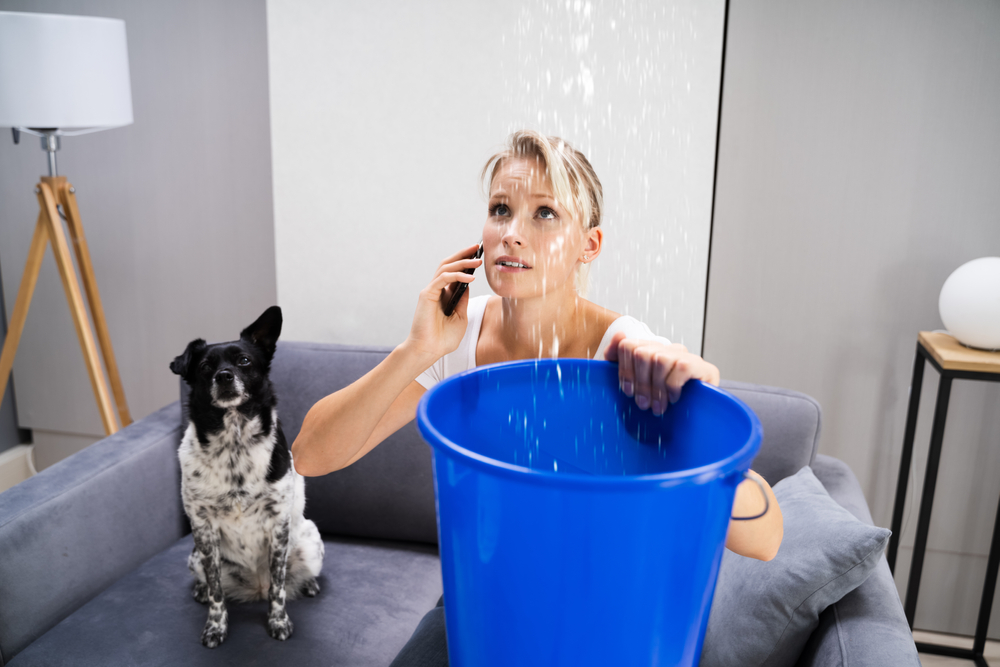
A well-functioning plumbing system relies on a complex network of pipes. However, when a pipe in your home bursts, it is in fact considered a plumbing emergency that requires immediate attention. Burst pipes can wreak havoc on your plumbing system, disrupt essential utilities, and damage the interior of your home.
To effectively address this situation, familiarize yourself with the common causes of pipe damage, how to recognize the telltale signs of a burst pipe, and what to do while waiting for an emergency plumber to arrive.
Signs You May Have a Burst Pipe
Burst pipes can happen for many reasons. If you notice these signs, you may have a burst pipe in your home:
- Low water pressure. If the water pressure from your faucets or shower head suddenly drops or seems much lower than usual, a burst pipe may be the culprit.
- Pooling water. Have you recently found puddles of water forming inside your home or yard? They may indicate an underground pipe has burst and is leaking water to these spots.
- Unexplained running water sounds: If you hear water running behind your walls while none of the faucets or showers are on, it may mean water is escaping from a burst pipe.
- Discolored walls or ceilings: If wet spots, dark stains, or bulges form on walls or ceilings, they may be caused by water accumulation from a burst pipe, especially if they appear suddenly.
- Odd or musty smells: Pooling water due to a burst pipe may cause persistent moldy or musty smells. Mold or mildew can grow where your home’s structures have been exposed to water for extended periods, resulting in these odors.
- Sudden spike in water bills: If your water bills have increased suddenly and unexpectedly, it may mean your home is leaking water. While burst pipes are a possible cause, check for other signs or contact an emergency plumber near you to help you find them.
What Can Cause Your Pipes to Burst?
In South Carolina, there are a few common causes of burst pipes, including:
- Freezing temperatures: Winters in Charleston are cold enough to freeze the water inside your pipes. As water turns to ice, it expands, putting pressure on the piping from the inside and increasing the risk of bursting.
To prevent your pipes from freezing during the colder months, ensure your pipes are properly insulated. You can do this by wrapping them with insulating materials like foam sleeves or heat tape. Also, turn on your faucets to create a slight drip. This can relieve water pressure and prevent bursting.
- Clogged pipes: Too much debris in your pipes can cause clogs, reducing water flow. If a clog remains unaddressed for too long, it can cause water pressure to increase, eventually causing leaks or rupturing the pipe.
Standard solutions to dislodge a clog include using a chemical drain cleaner, plunger, or hand auger. If they aren’t sufficient to address the clog, or if your pipe has already burst, contact an emergency plumber as soon as possible.
- Hard water: Hard water is water high in minerals, such as calcium or magnesium. As it runs through the pipes, hard water eventually leaves mineral deposits, affecting water pressure and increasing the risk of a burst pipe. Consult an experienced plumber for solutions to hard-water issues or if your pipe bursts.
- Rust and corrosion: Metal water pipes become increasingly vulnerable to rust and corrosion as they age. Rust and corrosion degrade your pipes and may discolor the water, turning it yellow or brown. If this happens, call a plumber to assess the situation and determine how to fix a burst pipe due to this issue.
Steps to Follow After Identifying a Burst Pipe
If you find a burst pipe, keep calm and follow the right steps to minimize damage to your home. A professional plumber from Blue Collars can help you understand how long it takes to fix a burst pipe and provide a quote for plumbing repairs.
- Cut the water flow: If there’s a burst pipe, stop the water flow to prevent damage. Find and close your main water valve to stop the leak. Typically, you turn the valve clockwise (right), or if you have a lever, move it perpendicular to the pipe to shut off the water flow.
- Drain the other pipes: Once the water main is off, drain the water from as many other pipes as possible in your home. Flush every toilet and open every faucet and shower head until they run dry. If you have a water heater, drain the hot water from it as well. Draining your pipes helps reduce the risk of further pipes bursting or leaking.
- Inspect the burst pipe: Locate the pipe that burst and inspect the size and extent of the rupture. Place a bucket or other container under the burst pipe to catch any remaining water.
- Contact an emergency plumber: A 24-hour emergency plumber near you has the tools and skills to fix your burst piping. Our licensed and insured plumbers at Blue Collars Plumbing will inspect your damaged pipes, conduct necessary repairs or replacements, and check your electrical system to ensure it hasn’t been water-damaged.
Keep Your Pipes Safe with Blue Collars Plumbing
When one of your pipes bursts or another plumbing emergency happens, contact Blue Collars. We offer emergency services 24/7, 7 days a week, to help you address plumbing emergencies like burst pipes in your home. The related question is covered in Is a Clogged Kitchen Sink an Emergency?
Our team of professional plumbers in Charleston, SC and the surrounding communities are proud to serve you. We offer 100% transparent pricing plans, convenient payment options, and sustainable disposal methods for peace of mind. The related question is covered in How to Fix a Burst Pipe: Emergency Tips.
Contact us by text or phone to schedule an emergency visit or for general repairs.
